A Competition Steeped in Legacy
Founded in 1937 in memory of Eugène Ysaÿe, the Queen Elisabeth Competition remains one of the most demanding events of its kind anywhere, with its trademark blend of technical brinkmanship and psychological pressure: long rounds, imposed works, sequestered preparation, and a great sense of being measured not just as an instrumentalist, but as an artist and person.
For this special anniversary year, the cello edition showcased the values Queen Elisabeth championed: curiosity for new music, respect for tradition, and an insistence on deep artistic responsibility. That ethos continues to influence not only the competition in Brussels, but also the Queen Elisabeth Music Chapel in Waterloo and the Queen Elisabeth Hall in Antwerp. Especially the Music Chapel, founded in 1939 by the Queen and Ysaÿe, has remained a haven for intense, long‑term mentorship, where young musicians work in close contact with established masters.
In 2026, these three institutions explicitly joined forces under the shared “150 Years Queen Elisabeth” jubilee logo, aligning their missions through joint and individual concerts, educational projects, residencies and festivals across Belgium. The cello competition was the flagship of this vast programme of concerts, exhibitions, and participatory projects.
The 2026 cello edition began in relatively low-key fashion. By the end of January, a preselection jury had examined video recordings from 185 applicants behind closed doors and chosen the candidates for the live rounds. In May, those selected came to Brussels for the first rounds at Flagey. Besides an extensive and varied repertoire participants were to perform two new works written specifically for the competition: one for the semi-final recital, and another with orchestra for the final.
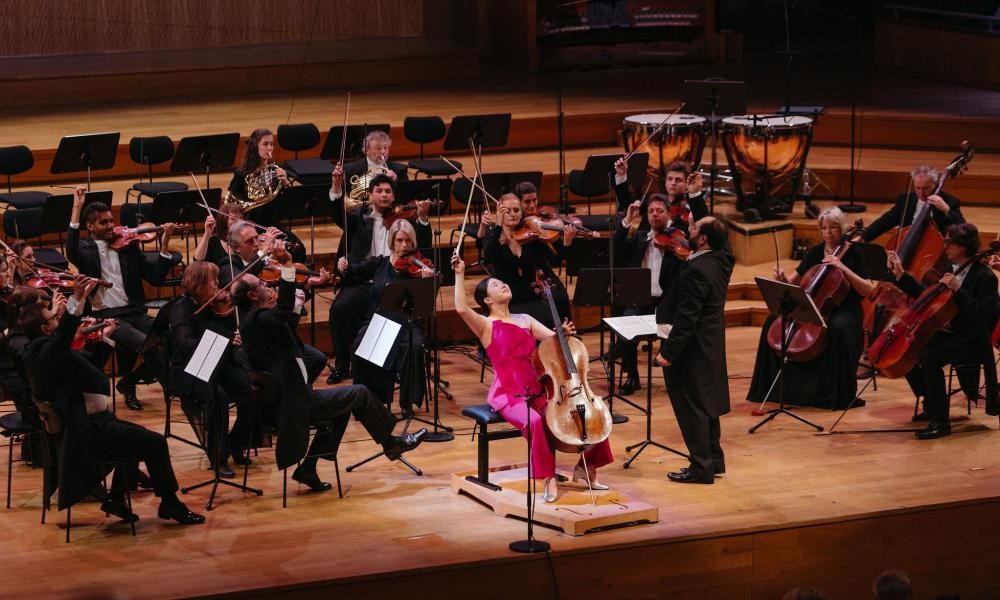
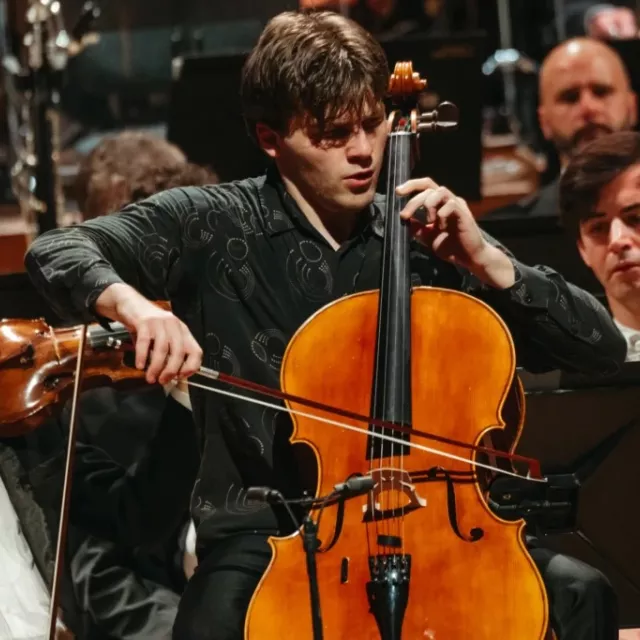
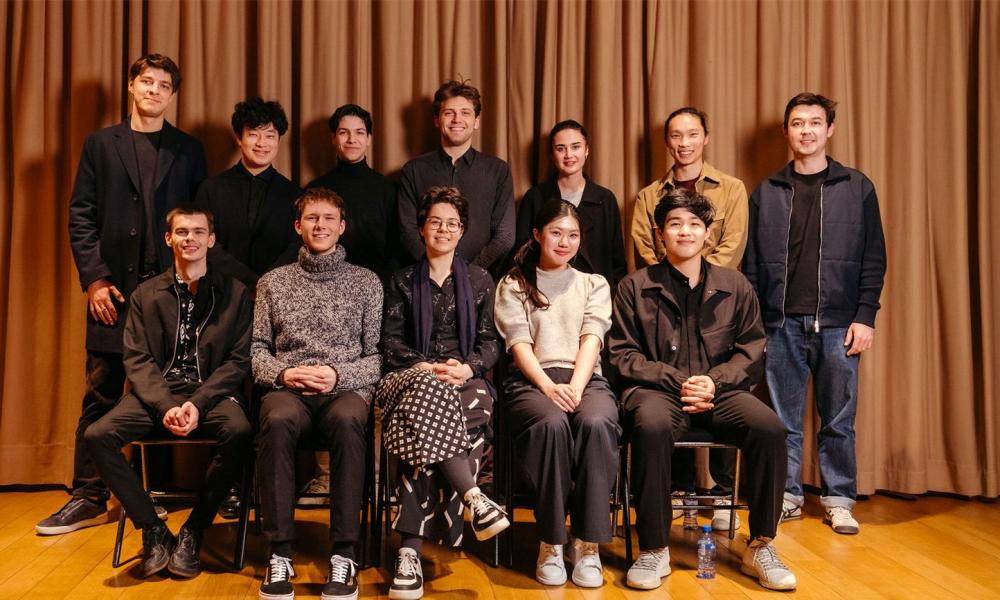
That orchestral imposed work, Fang Man’s “Four Odes to the Tidings of Flowers”, became a central test of the finalists’ capacity to assimilate and project a contemporary score under pressure. True to Queen Elisabeth tradition, the twelve finalists studied it in complete isolation during a week at the Queen Elisabeth Music Chapel, without any external assistance. They then performed it in the final week at Bozar, from 25 to 30 May, alongside a concerto of their choice, with the Belgian National Orchestra under Antony Hermus. The result was not only a competition but a great panorama of cello playing, framed by a brand-new orchestral work.