Bamberg, Germany

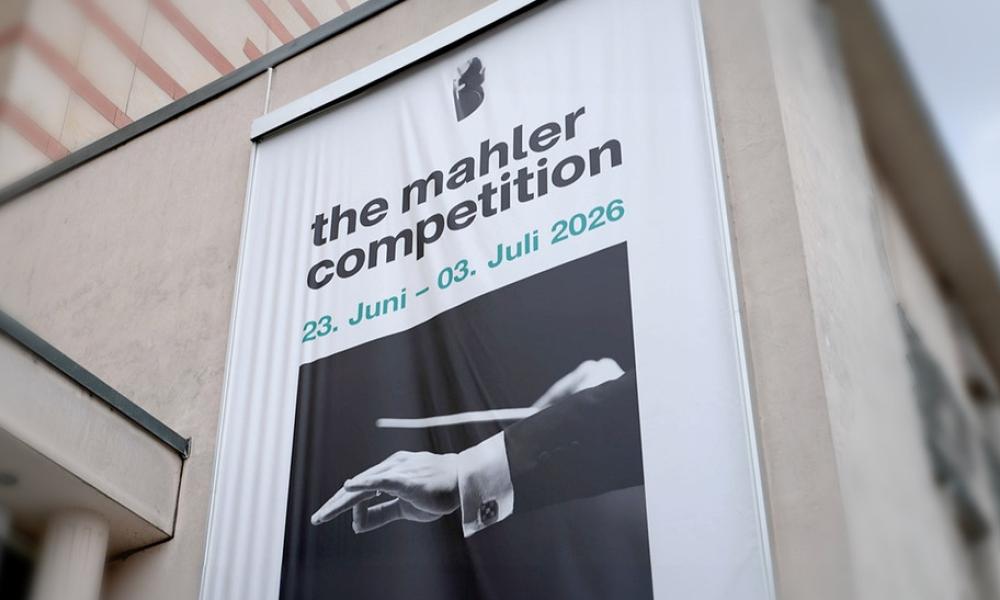
Mahler Competition 2026: When “No First Prize” Means Raising the Bar

The Gustav Mahler Conducting Competition in Bamberg has never been shy about big statements. This year, it chose perhaps the boldest one a jury can make: for the first time since 2007, no first prize was awarded.

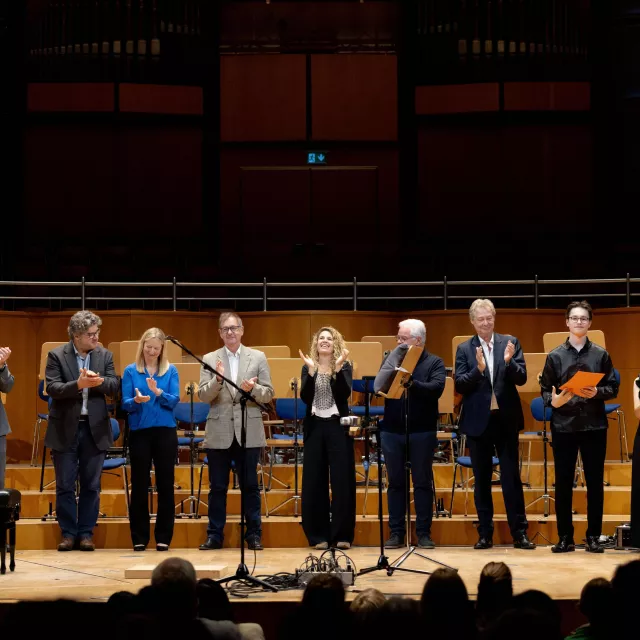
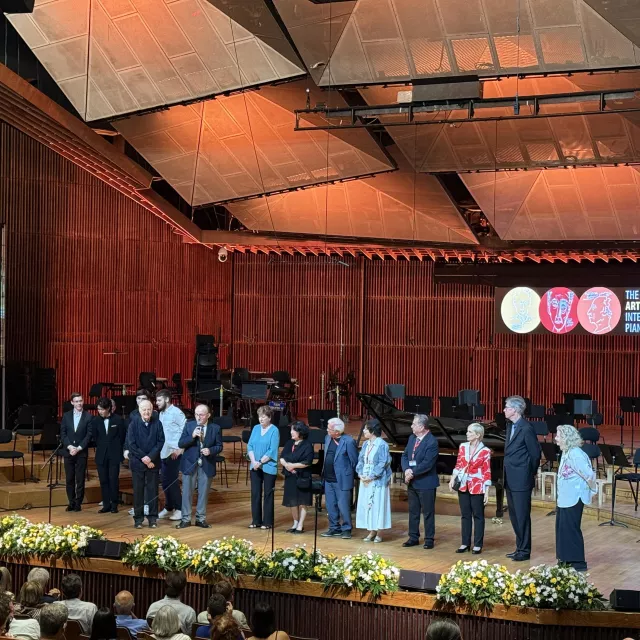
Across twelve intensive days in the Joseph‑Keilberth‑Saal, 24 young conductors, selected from 270 applicants worldwide, worked with the Bamberg Symphony and faced a jury that reads like a who’s who of the profession. Under the chairmanship of Jakub Hrůša, and with figures such as Pablo Heras‑Casado, John Storgårds, Thomas Adès, Sian Edwards, John Carewe and long‑time patron Marina Mahler, every rehearsal was under microscopic scrutiny—streamed online and watched by decision‑makers from orchestras and agencies around the globe.

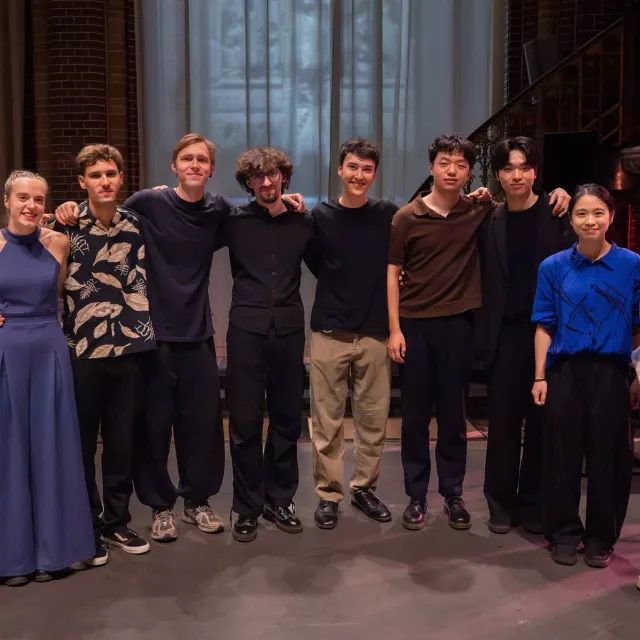
In the end, three very different musical personalities stood in the final round, each given an unusually generous two and a half hours of rehearsal time with the orchestra. The competition has deliberately shifted emphasis from the polished concert result to the way conductors work: how they rehearse, communicate, listen, adjust and lead a hundred‑strong ensemble in real time.

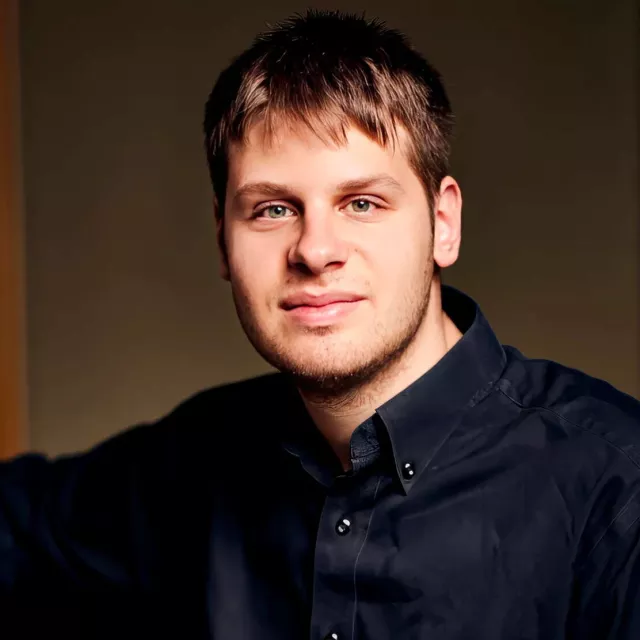
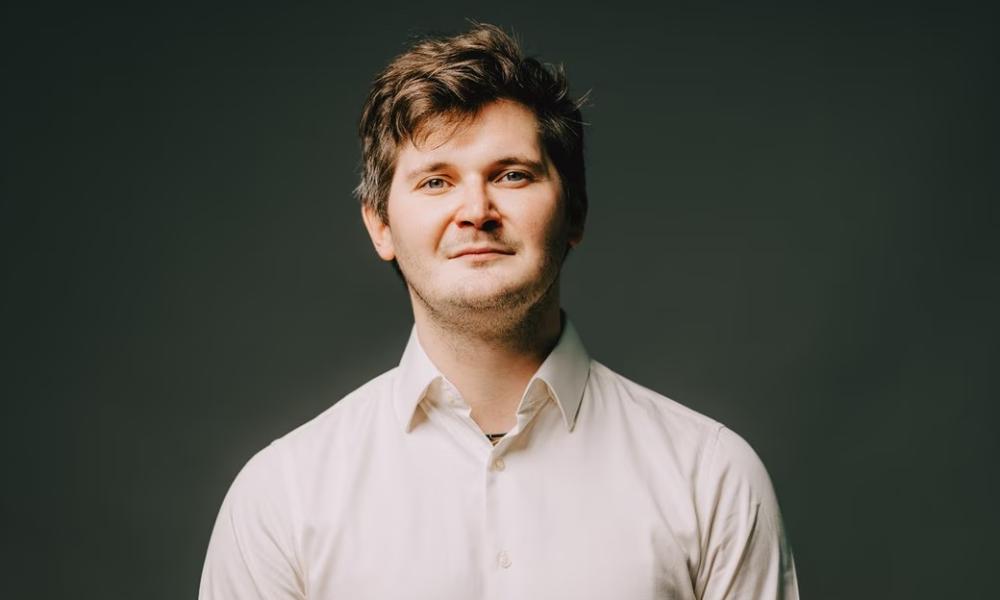
At the center of attention was 31‑year‑old Jakub Przybycień, who ultimately received both the second prize and the audience prize. Having studied in Bern and Zurich and recently moved to Berlin, he already holds an assistant position at the Boston Symphony Orchestra and regularly directs mid‑sized ensembles. Yet in Bamberg, his most striking qualities were not on paper but in the room.

Przybycień rehearses like someone who trusts the musicians in front of him. He stops often, asks questions, offers images rather than instructions, and invites the players into a shared interpretation—while still being demanding about detail. At one point he halted, admitted that he had lost his way, and simply asked to start again “for me”. In a setting where every gesture is magnified on large screens and observed by a full jury, that kind of candour could easily look like a loss of control. Here, it came across as professional honesty and grew into authority.

Jakub Przybycień

The orchestra responded. He managed what very few candidates achieve in a high‑pressure competition: he made the Bamberg Symphony laugh, without losing focus. For players enduring a succession of unfamiliar conductors at half‑hour intervals, that lightness is not a side issue; it directly affects concentration and sound. It was no surprise that he became the clear favourite in the online audience vote.

His fellow finalists drew different portraits of what a conductor can be. One, based in Italy but with roots further east, approached the orchestra almost like a precision instrument: concerned above all with balance, dynamics and control, less with shaping long emotional arcs. Another, a mid‑twenties conductor from Paris, worked more with his hands than with the baton, sculpting phrases and colours in a tactile, physical way, but sometimes circling back to repeat entire sections out of uncertainty.

For those in the hall, the final confirmed a central premise of the Mahler Competition: there is no single right way to conduct. Three conductors, three distinct rehearsal styles, three different paths to Mahler’s Fifth Symphony and a contemporary score by Thomas Adès. The competition’s task is not to reward a manner, but to assess the artistic and human substance behind it.

That human dimension has moved increasingly to the forefront. The orchestra’s role in the decision process has been expanded; after each round, every member of the Bamberg Symphony can vote “yes”, “no” or “maybe” on each candidate. As second violinist and jury member Nina Junke put it, “We are, in the end, the conductors’ everyday reality.” What looks impressive on video may not be what a professional orchestra can or wants to live with over weeks of rehearsals and concerts.

The jury’s official statement described Przybycień as “clearly the strongest candidate” and “the best participant in this competition”, yet still stopped short of naming him first‑prize winner. Instead, he received the second prize, endowed with 20,000 euros. Two third prizes, worth 10,000 euros each, went to his colleagues Sieva Borzak and Simon Clausse, underlining that the jury recognized artistic merit in very different profiles. A further distinction, a studio production with BR‑Klassik and the Bamberg Symphony, was awarded to 27‑year‑old Oliver Cope, who had already left the competition after the semifinal.

By consciously leaving the top step of the podium empty, the jury signaled that it sees the Mahler Competition not merely as a talent show, but as a long‑term marker of artistic excellence. Earlier winners like Gustavo Dudamel and Lahav Shani have set a high bar; the decision in 2026 explicitly ties back to that standard. It will please some and frustrate others, but it is consistent with a competition that has always linked its prizes to concrete career opportunities: conducting engagements with the Bamberg Symphony, multi‑year mentoring, and substantial visibility.
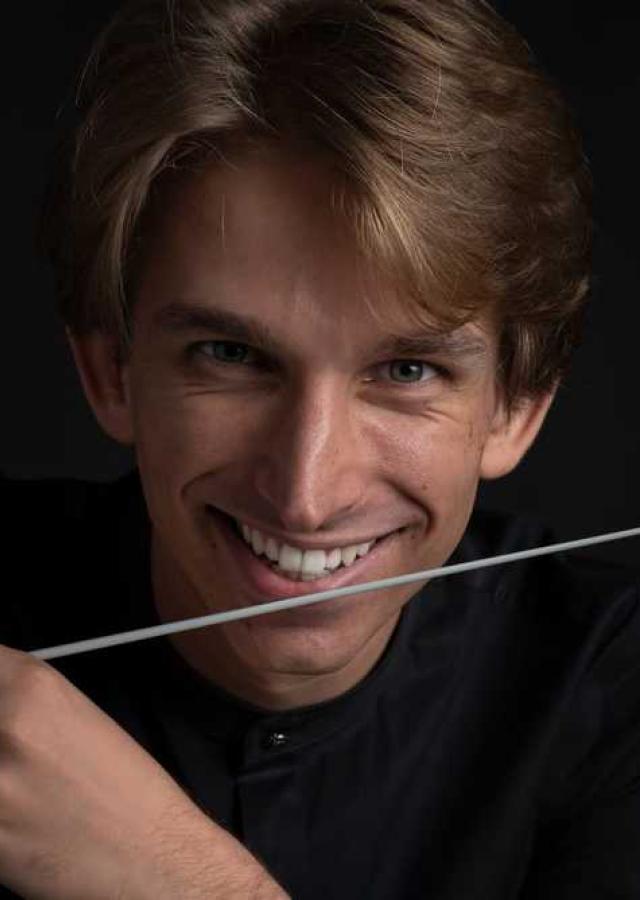
Sieva Borzak, Third Prize

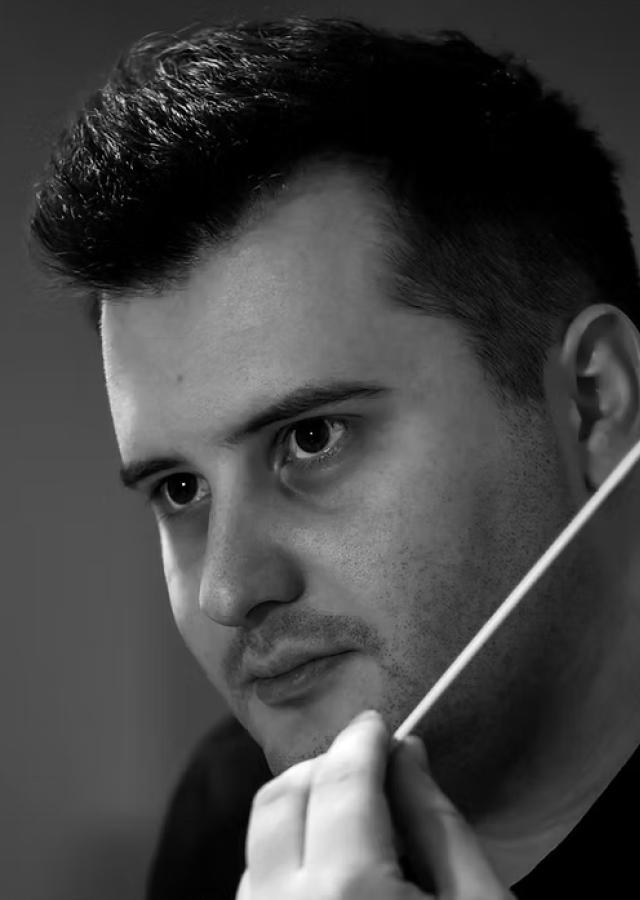
Simon Clausse, Third Prize

That visibility is not a side effect—it is built into the competition’s design. All rounds are streamed live; the audience prize is decided online; and promoters, managers and orchestra representatives around the world have an unobstructed window into how these conductors actually work. For a young artist, this “visibility”, as Przybycień calls it, can matter as much as the cheque.

Since its founding in 2004 by Marina Mahler and Ernest Fleischmann together with the Bamberg Symphony and then chief conductor Jonathan Nott, the Gustav Mahler Conducting Competition has aimed to support conductors at the point where training meets professional reality. Marina Mahler remains closely associated with the event, both as patron of the jury and as the driving force behind the Mahler Lounge, opened in 2023 opposite the concert hall as a permanent space for encounters around Mahler’s music and the orchestra’s work. The city of Bamberg has recently honoured her contributions with a special award.

This year’s edition also reflects a shift in how the profession views age and experience. Candidates can apply up to 35, and the average age has risen slightly over the years. Hrůša argues that conducting should not be driven by a “cult of youth”: experience—musical, social, and personal—is integral to leading an orchestra. At the same time, the field is full of counter‑examples: artists who found major positions very early and never entered competitions at all. Bamberg chooses to err on the side of requiring more than promise.

For professional musicians and committed listeners, the 2026 results are instructive. They highlight that baton technique alone is no longer the currency that counts; rehearsal craft, psychological insight and the ability to sustain a genuine musical dialogue now weigh just as heavily. And they show a competition willing to protect its own benchmark, even at the cost of a headline‑friendly first prize.

In that sense, the story of this year is less about an empty top step than about the conductor who almost stood on it. Jakub Przybycień leaves Bamberg with no first prize, but with the trust of a world‑class orchestra, a roomful of influential listeners, and an audience that has already decided in his favour. For a competition founded to launch careers rather than merely crown winners, that may be the most meaningful result of all.


Awards
Second Prize: Jakub Przybycień
Third Prizes: Sieva Borzak and Simon Clausse

Jury
Marina Mahler (Competition Patron and Hon. Member), Jakub Hrůša (Chair), Thomas Adés, John Carewe, Sian Edwards, Pablo Heras-Casado, John Storgårds, Mauro Bucarelli, Martin Campbell-White, Ara Guzelimian, Marcus Rudolf Axt

Artists
Bamberger Symphoniker
Thomas Adés, Composer


©WFIMC 2026