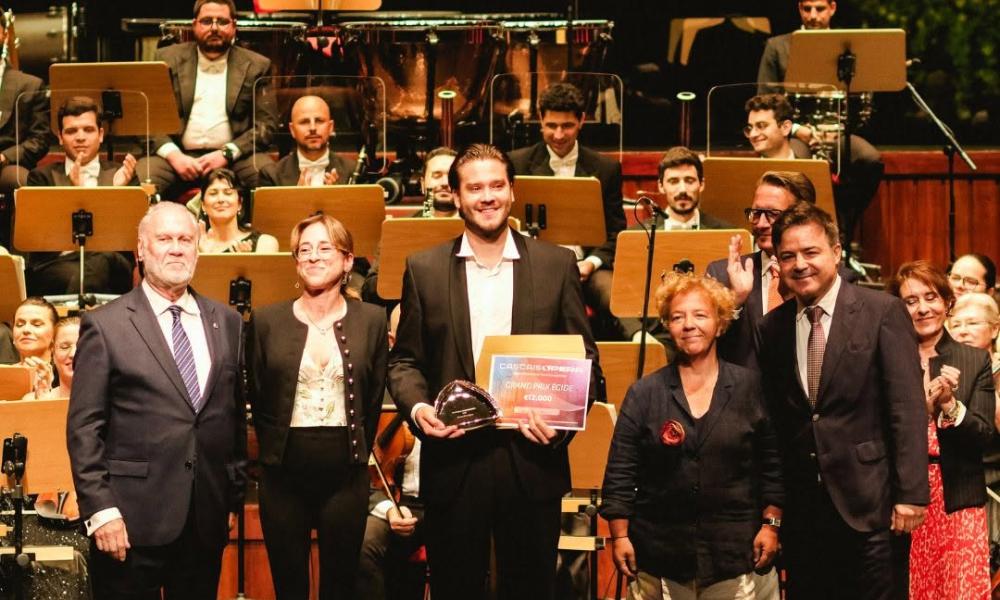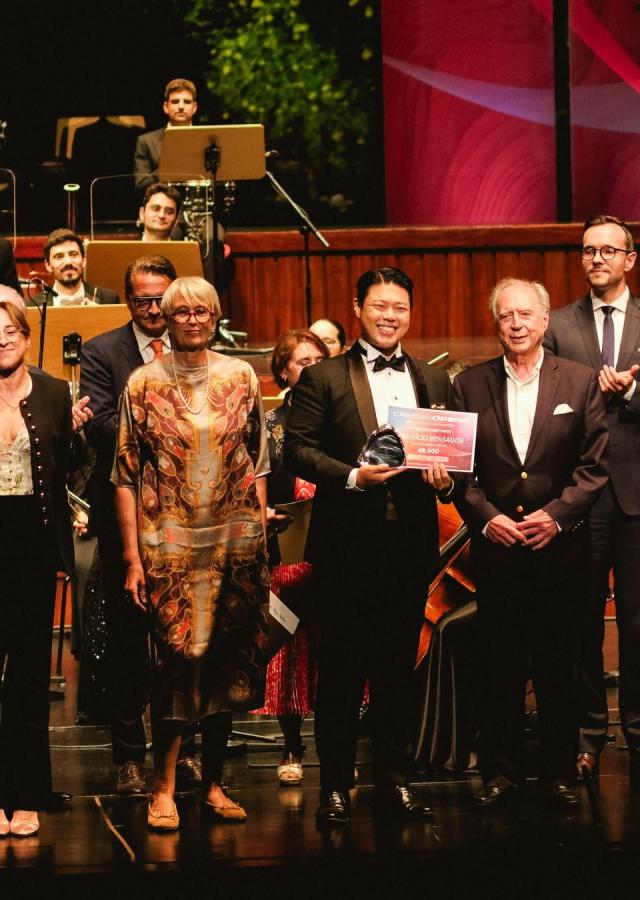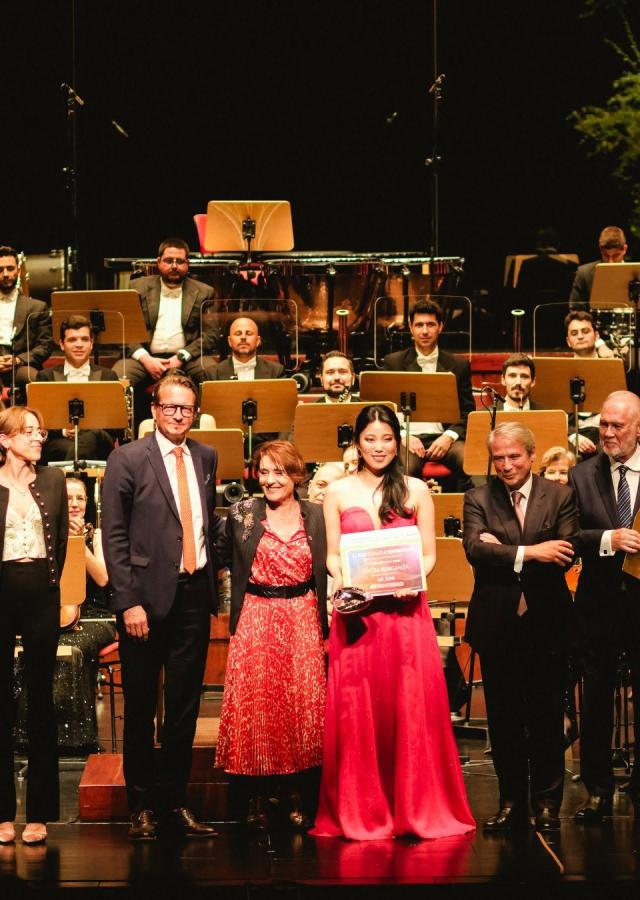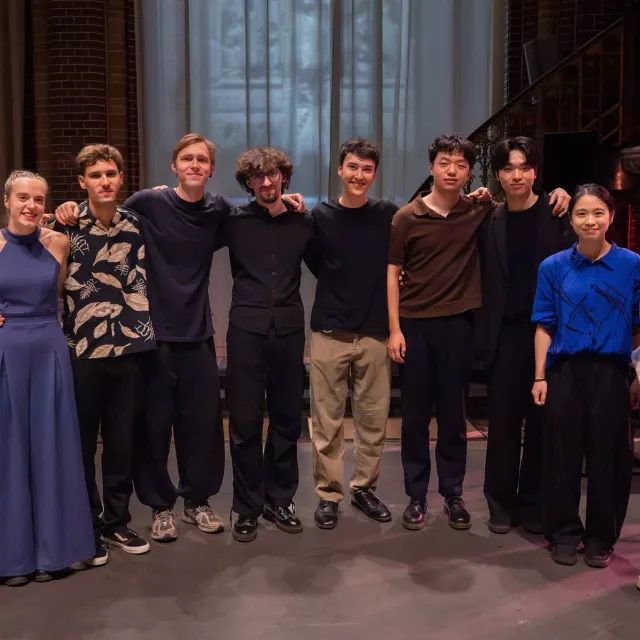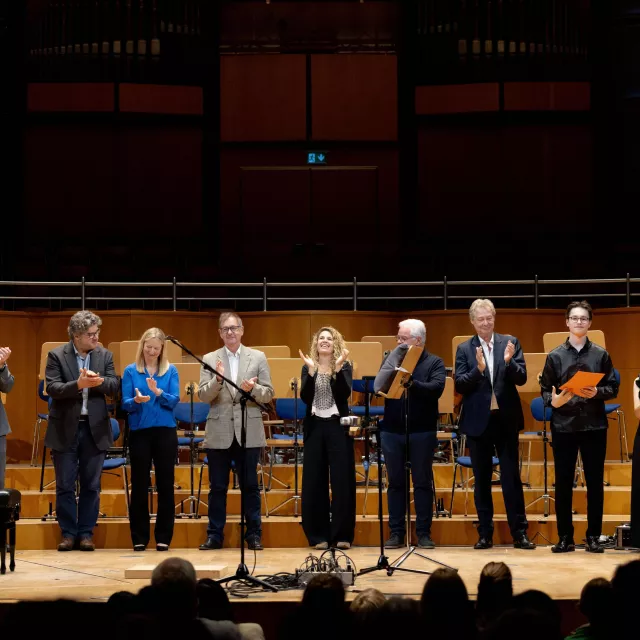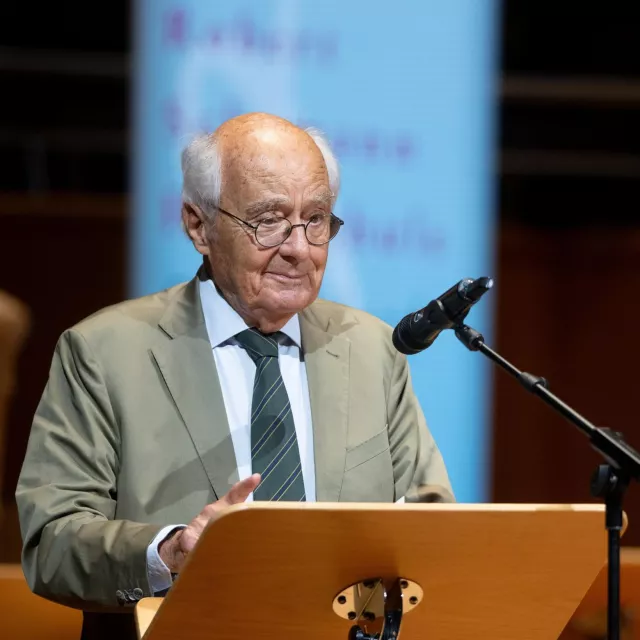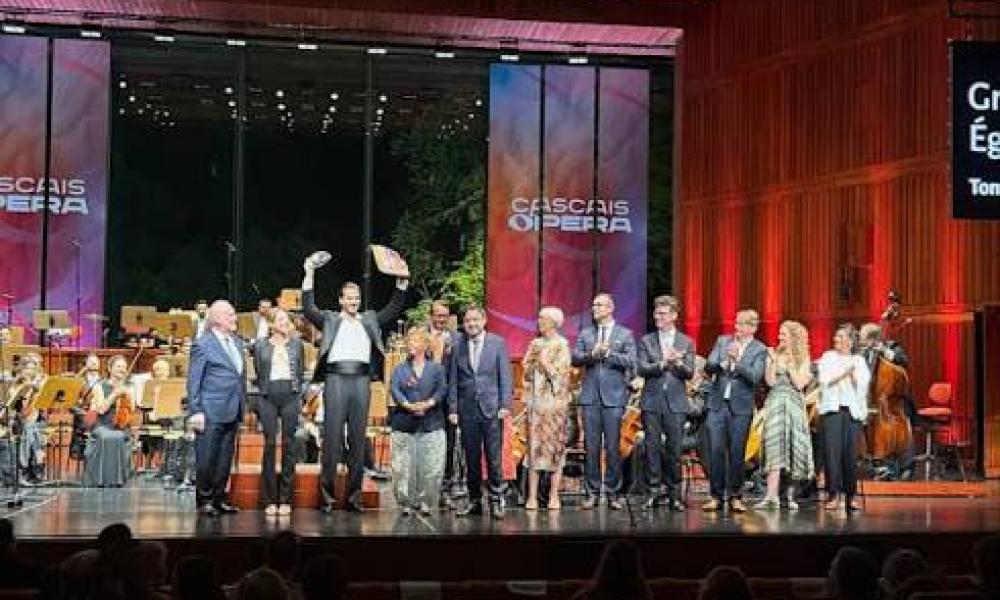
Over ten days, Cascais Ópera 2026 brought 39 candidates to Cascais, who took part in in-person auditions, masterclasses with some of the most renowned experts in European opera, a semi-finalists concert at the Palácio da Cidadela in Cascais, and a final with orchestra. Eight voices took the stage in the Grand Auditorium of the Calouste Gulbenkian Foundation in Lisbon, eight voices aiming to start a career.
The packed audience was overwhelmed with the performances. The Cascais Symphony Orchestra, conducted by Maestro Antonio Pirolli, accompanied each of the finalists in two arias from their repertoire. Rossini opened the evening with the overture to La Gazza Ladra – a prelude that is, in itself, a declaration of energy and intent. Then the Intermezzo from Leoncavallo’s Pagliacci divided the concert in two, separating the before from the after.
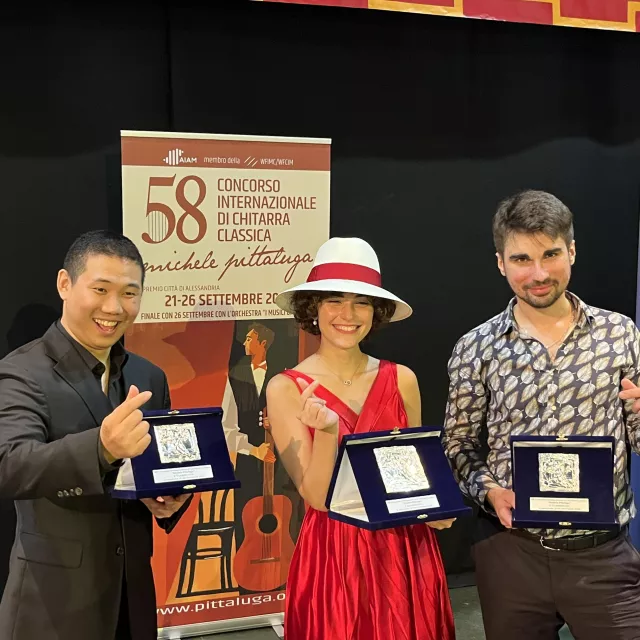
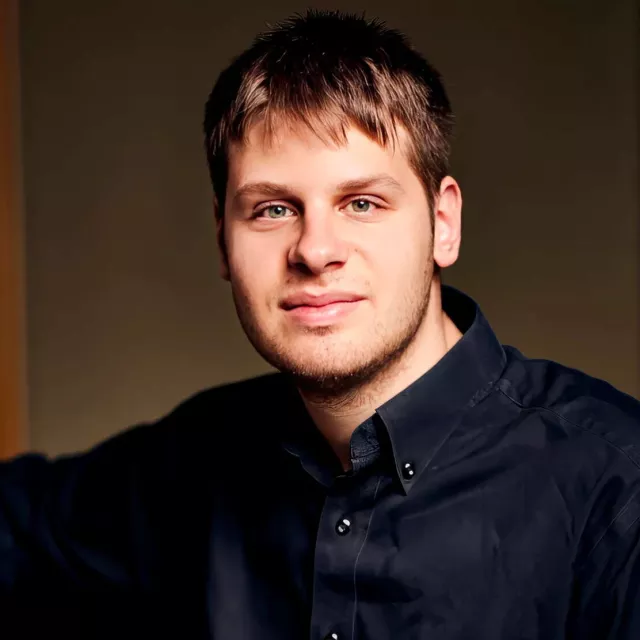
Arias from operas by Verdi, Massenet, Mozart, Tchaikovsky and Wagner captivated the audience. Three singers managed to come out on top:
A soprano trained in Vienna, Nuri Park presented two moments of great virtuosity. The “Chacun le sait” from Donizetti’s La Fille du Régiment – Marie extolling the virtues of the 21st Infantry Battalion – and then the “Ei parte… Per pietà’ from Mozart’s Così fan tutte, in which Fiordiligi, torn between her love for her fiancé and her budding feelings for another man, decides to remain faithful in an aria of intense dramatic charge, with great leaps between the high and low register.
Tomislav Jukić, a tenor from the Zurich International Opera Studio, transported the audience to Russia and from there to Paris. The “Kuda, kuda” from Tchaikovsky’s Eugene Onegin – the young poet Lenski reflecting bitterly on life and wondering where the happy hours have gone – followed by “Che gelida manina” from Puccini’s La Bohème, the aria in which Rodolfo takes Mimì’s cold hand and tells her who he is, crafted with a melodic imagination of extraordinary richness.
Junyoung Choi sung two pieces that are also worlds apart. The “Hai già vinta la causa” from Mozart’s The Marriage of Figaro – Count Almaviva realising he is being duped ; then, “È sogno? o realtà?” from Verdi’s Falstaff, a comedy that demands a rare vocal and dramatic maturity.