Brussels, Belgium

Basically Ridiculous

A commentary in defense of International Music Competitions

On occasion of the recent Queen Elisabeth Competition in Brussels, a great cellist recently wrote a thoughtful and much-discussed comment (himself he called it a "rant") against music competitions on Facebook. He quoted Bartók on contests being “for horses, not artists”, worried about careers hinging on juries’ personal taste, and lamented the pressure on young players to impress rather than to touch someone’s soul. On most of this, he was certainly right. There are, however, a few other arguments when it comes to judging the meaning, benefits and effects of international music competitions. For many young musicians, competitions are not just gladiatorial arenas; they are accelerators, laboratories and – increasingly – training hubs for real life in music.

Competitions can frustrate and depress- ask anyone who has taken to their bed after a first-round exit. Yet – as Tabea Zimmermann once put it bluntly – “if you cannot stand that pressure, don’t go.” Performers who do choose to enter know they are signing up to an extreme challenge. Learning to play your best under that artificial, unforgiving spotlight can forge resilience that no number of “friendly” concerts will ever demand. Maybe you won’t enjoy the process every minute, but you emerge knowing where your breaking point is – and that it’s further away than you thought.

Competitions also reshape practice rooms in more constructive ways. Preparing a serious competition forces you to learn new repertoire you might otherwise shelve indefinitely: that contemporary piece you keep postponing, the “unfashionable” concerto, the sonata nobody in your class has yet dared to touch. And you have to do it fast. Having to learn and memorise a large amount of music in a short period teaches planning, focus and stamina – skills that remain useful long after the end of the contest.

The old caricature that competitions reward only empty virtuosity is increasingly out of date. That message has changed, and many big events now design rounds to test breadth and depth: mandatory concertos, chamber music with resident ensembles, newly commissioned works, sometimes spoken introductions or educational projects.
Then there is exposure. Iconic competitions such as the Queen Elisabeth are no longer obscure rituals for connoisseurs in evening dress. They are streamed live, clipped, shared and replayed on television, social media, on various internet platforms, and with viewing figures that most orchestral seasons can only dream of. You may not make the final, but you can certainly build your own audience.

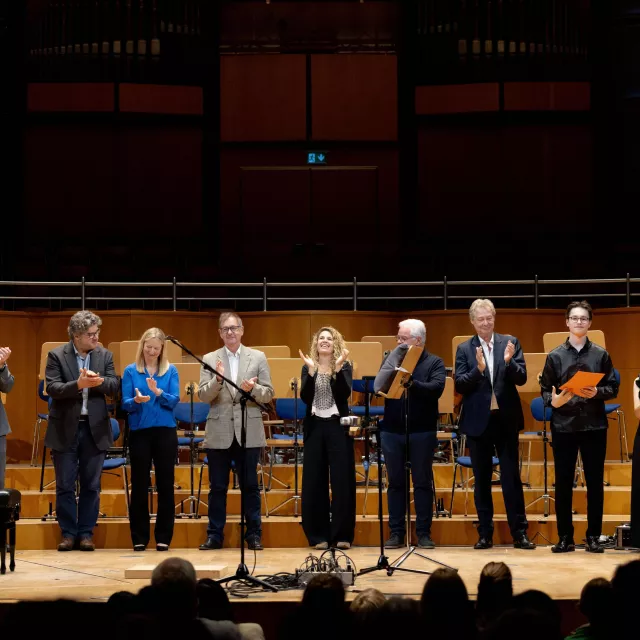
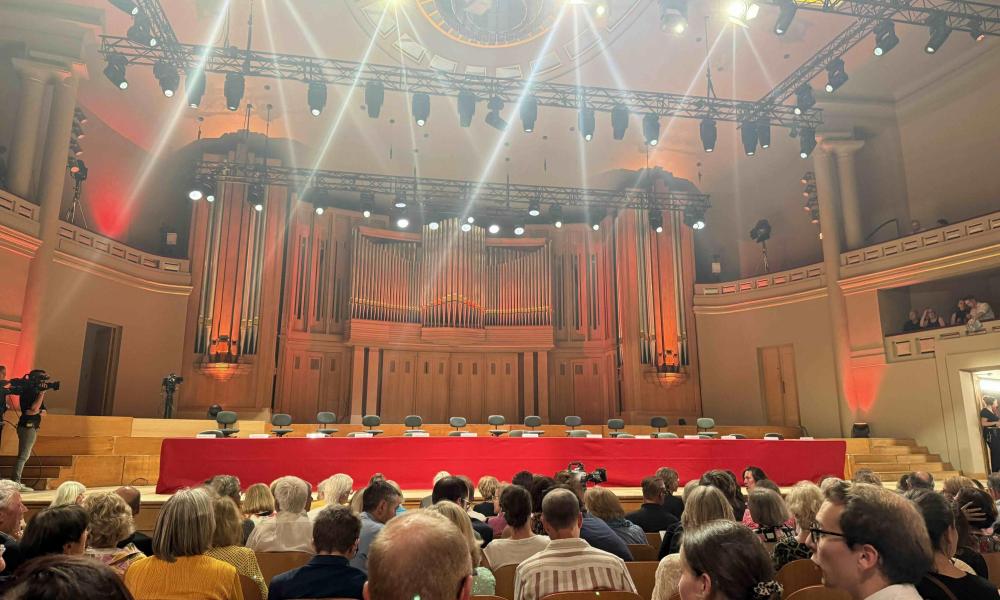
At the Bozar in Brussels ahead of the Awards Ceremony of the 2026 Queen Elisabeth Competition ©WFIMC

The practical benefits have evolved too. Many competitions now provide what conservatoires struggle to fund properly: workshops in self-management, media training, mental skills coaching, audition preparation, even financial literacy. The prize money still looks good on a poster (did you know that the Queen Elisabeth offers EUR 4000 even to the six finalists who did not win a prize?), but the ongoing career support – mentoring, residencies, management roundtables, recording opportunities – is where the real long-term value lies.

And there are, more prosaically, the perks: you come away with broadcast-quality recordings and videos of major repertoire, in a major hall, with orchestra, produced at someone else’s expense. For young artists trying to secure management or festival slots, that is priceless.

All of this came into particularly sharp focus at this year’s Queen Elisabeth Cello Competition. The final night ceremony was something close to an operatic gala: 12 exhausted finalists, 12 (yes, twelfe!) standing ovations. A packed hall long after midnight. The audience in Brussels very obviously had its own ideas, and did not hesitate to scream “bravo” for non-ranked players – sometimes even more enthusiastically than for certain prize winners. It was a gentle reminder that juries are not oracles – and that nobody, least of all the Belgian public, confuses a competition result with an absolute verdict on artistry.

Jury chair Gilles Ledure (he is also director of Flagey, one of Brussels’ premier cultural institutions) later told me that the Queen Elisabeth is the single most important music event in the country – a competition that people in every little village know and follow. He was not exaggerating. If, for a few weeks, the entire nation argues about Dutilleux and Shostakovich with the same fervour usually reserved for football line-ups, something is working.

Does this mean competitions are perfect? Of course not. They will always entail risk, distortion, occasional injustice and bruised egos. They can tempt young musicians to confuse short-term impact with long-term integrity. But to suggest that competitions are “basically ridiculous” is to overlook what they have become for many emerging musicians: demanding but fertile testing grounds where young artists can, under unbearable tension, grow beyond themselves. Places to discover new repertoire, new colleagues and new audiences. In a musical landscape with many possible paths, competitions are not the only way forward – but for those who choose them, they can be a powerful means with which a genuine artistic voice is forged.


Florian Riem
©WFIMC2026