TRONDHEIM, NORWAY

A Resonant Triumph at the Princess Astrid Competition

The Princess Astrid International Music Competition —now in its 70th year of royal patronage— held its 2026 edition in the discipline of conducting.

Held from August 24 to 27, 2026, the Princess Astrid International Music Competition was more than a mere display of technical prowess. Under the watchful eyes of Jury Chair Oksana Lyniv and her colleagues, the competition solidified its reputation as a vital nexus where artistic excellence meets the pragmatic, often daunting, realities of the modern music industry.


The Podium: A Showcase of Vision

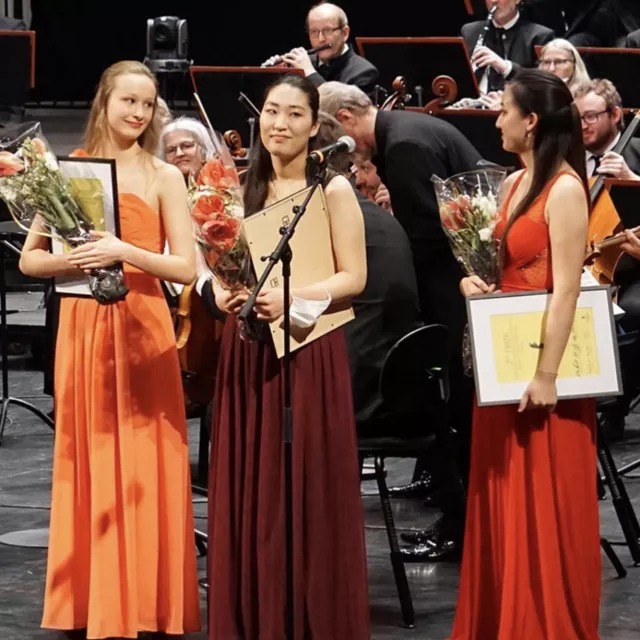
The competition’s final concert at the Olavshallen felt charged with a specific kind of electricity—the tension of watching artists of tomorrow grapple with the weight of the Trondheim Symfoniorkester- despite the somewhat solemn mood in the audience as Norway’s king Harald lay on his deathbed.

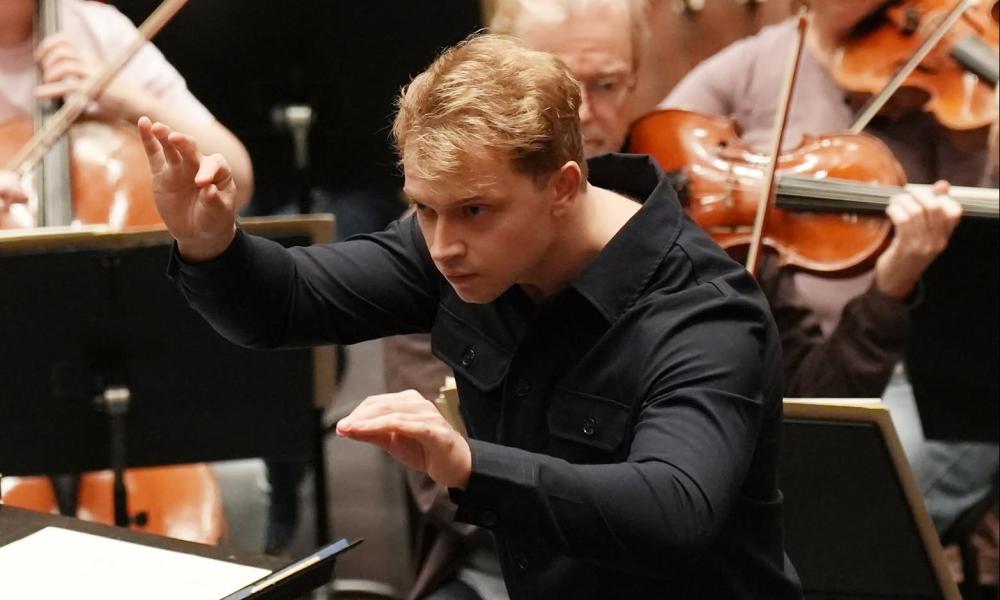
Taking home the 1st Prize of 200,000 NOK was 27-year-old British conductor Matthew Rhodes. His victory is a significant feather in the cap of a young artist already making waves with the Norrköping Symphony Orchestra and recent operatic triumphs. His approach in the final round displayed a mature synthesis of structural clarity and emotional urgency—qualities that the jury, including seasoned veterans like Martyn Brabbins and Mei-Ann Chen, clearly sought to reward.

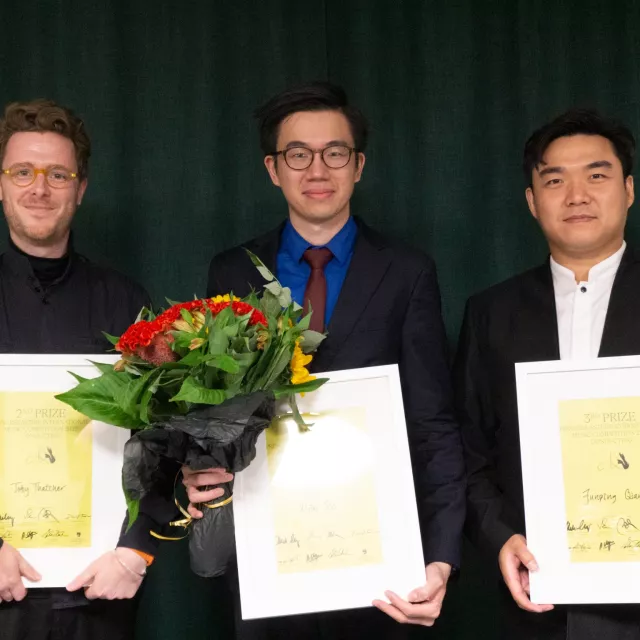
The other prizes were given to two compelling finalists: Agata Zając, who secured the 2nd prize, and Elias Brown, who took 3rd. 

Matthew Rhodes, First Prize Winner

Beyond the Podium: the Conductor’s Forum 

What separates the Princess Astrid Competition from many other high-pressure international circuits is its deliberate pivot toward professional development. The Conductors’ Forum Academy, held in collaboration with the World Federation of International Music Competitions (WFIMC) and the Norwegian Conductor's Elite Program, was another highlight of the week.

Moderated by WFIMC Secretary General Florian Riem, the Academy wasn't just a side event; it was a masterclass in survival. The programming was refreshingly modern. Rather than focusing solely on beat patterns, sessions tackled "The modern conductor: an evolving role" and "Communication from the Conductor’s Podium." Hearing conductors like Martyn Brabbins dissect the nuances of building trust with musicians felt like a rare glimpse behind the curtain of professional life.

The sight of non-proceeding candidates, reserve participants, and members of the Norwegian Conductor's Elite Program sitting together in the conference room, sharing lunch at Olavstorget, and debating the politics of orchestral leadership created a sense of solidarity that is often missing from traditional competition environments. 

The week concluded with a masterclass by Oksana Lyniv at Kimen Kulturhus, which participants described as a profound, hands-on experience in leadership and artistic generosity.
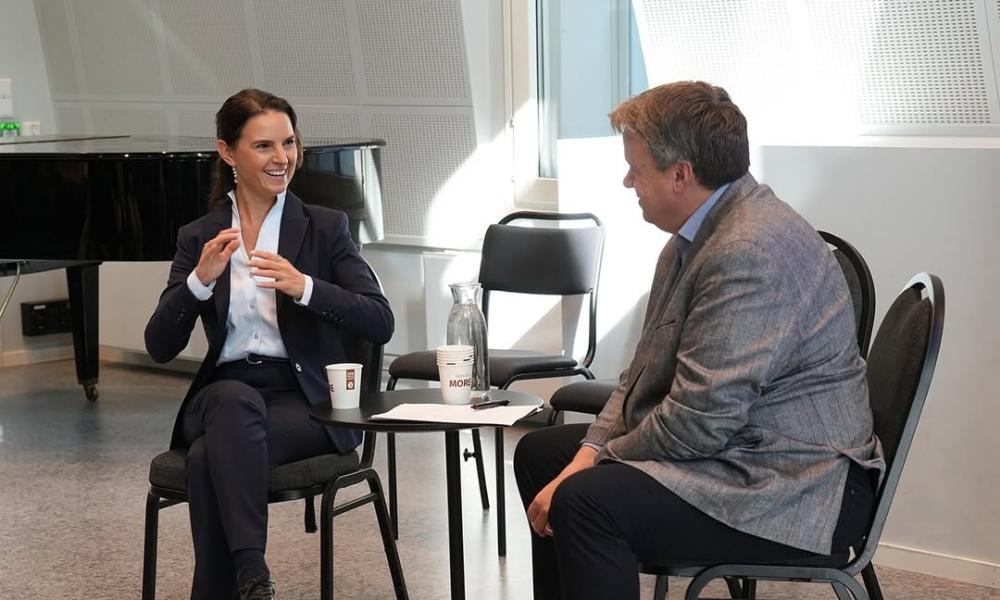
The Conductors’ Forum Academy, Oksana Lyniv in Conversation with Florian Riem

A Legacy Renewed

The 2026 edition of the Princess Astrid Competition serves as a potent reminder of the competition's dual mission: to celebrate the legacy of its founder, Finn Audun Oftedal, and to actively shape the future of classical music. 

With 70 years of royal patronage from HH Princess Astrid, Mrs. Ferner of Norway, the competition carries a sense of gravitas that few others possess. Yet, it avoids the trap of being a museum piece, keeping its finger on the pulse of the changing classical landscape.

At the post-concert awards reception at the TSO offices, there was a palpable sense of accomplishment. Trondheim has successfully hosted an event that feels less like a competition and more like a launchpad. For Matthew Rhodes and his fellow finalists, the podium in Trondheim was just the beginning. For the audience and the observers, it was a reassuring affirmation: the future of conducting is in thoughtful, capable, and profoundly ambitious hands.

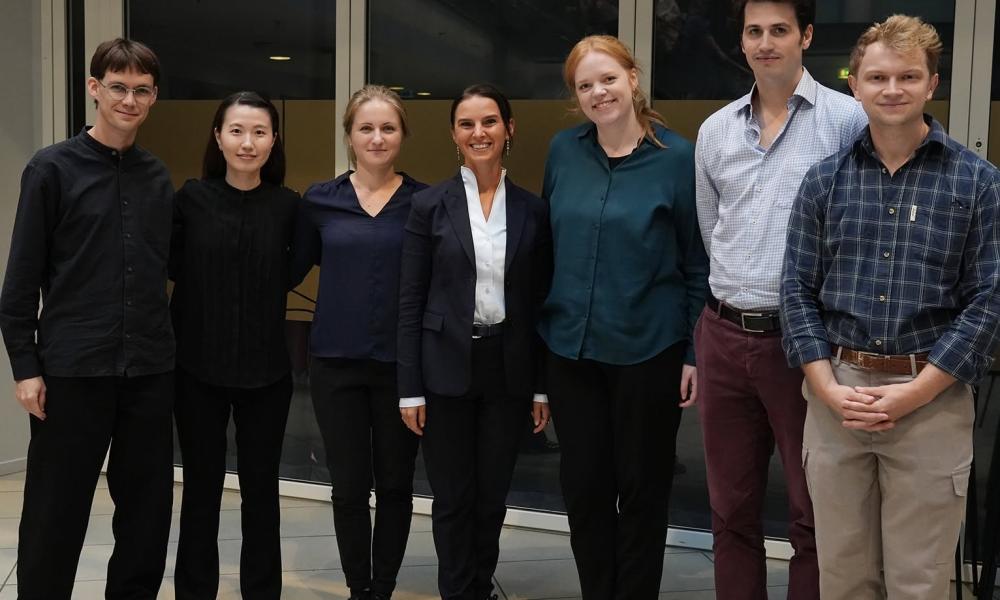
Finalists with Jury Chair Oksana Lyniv