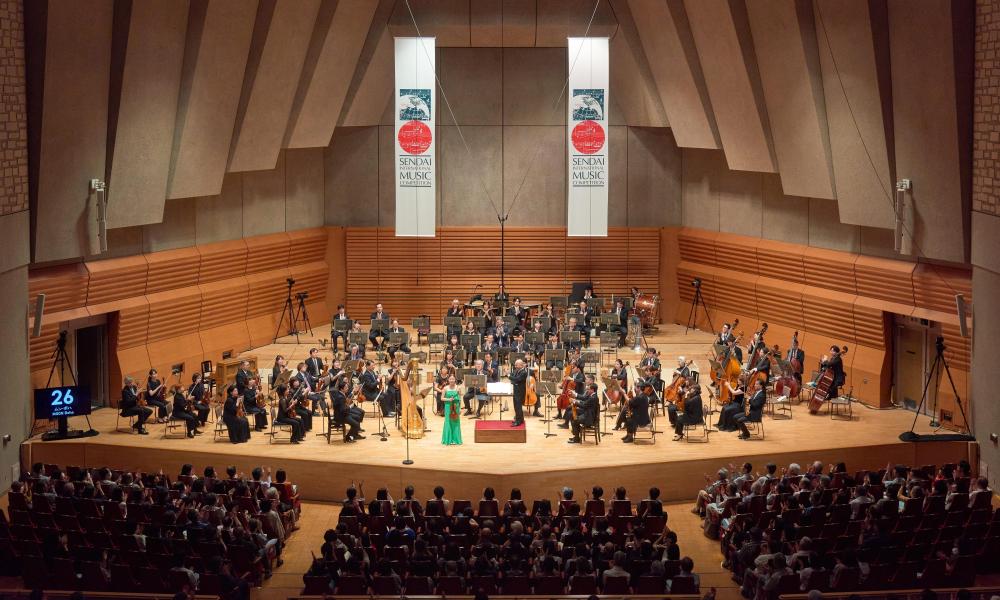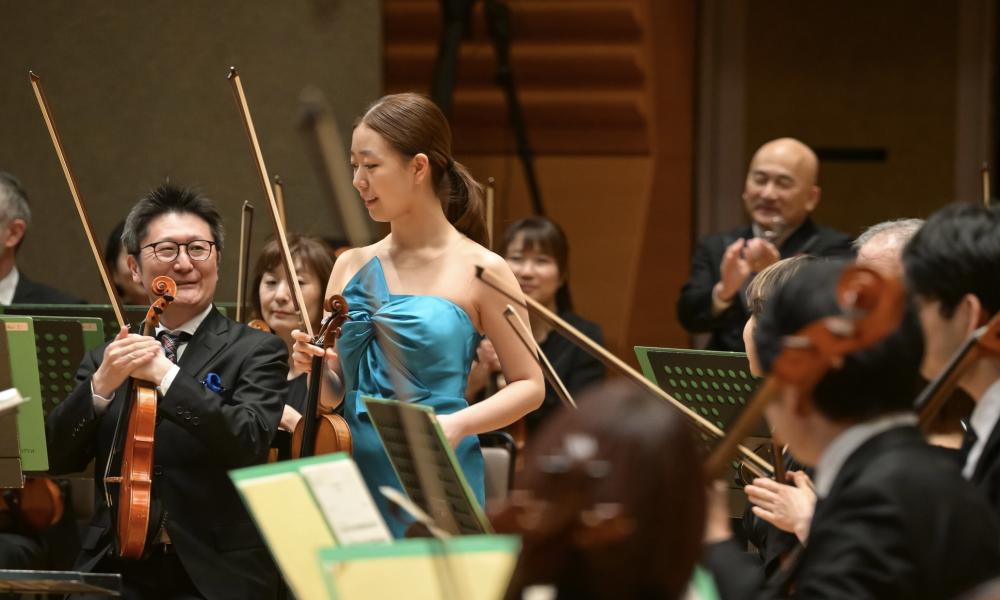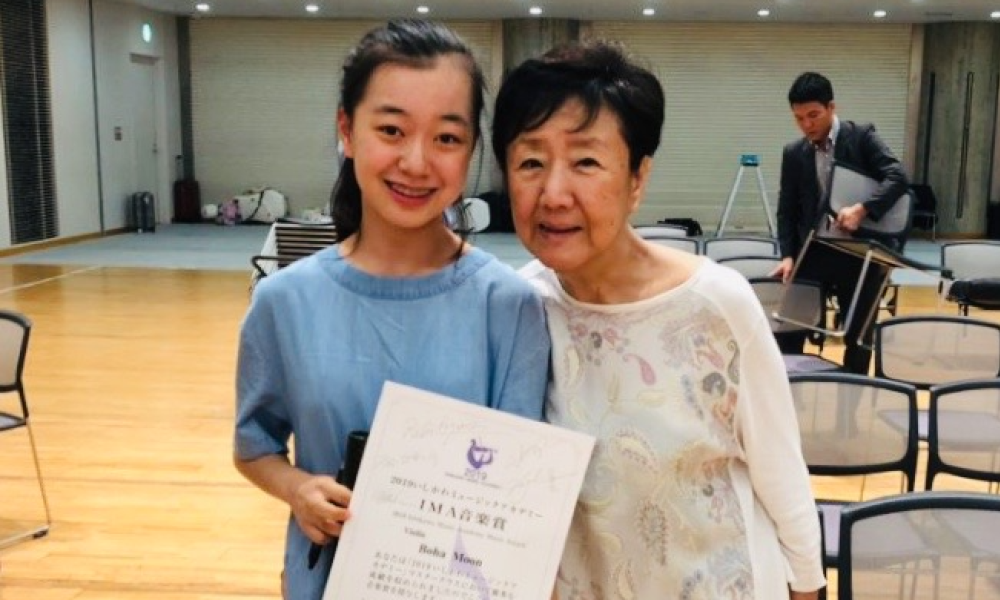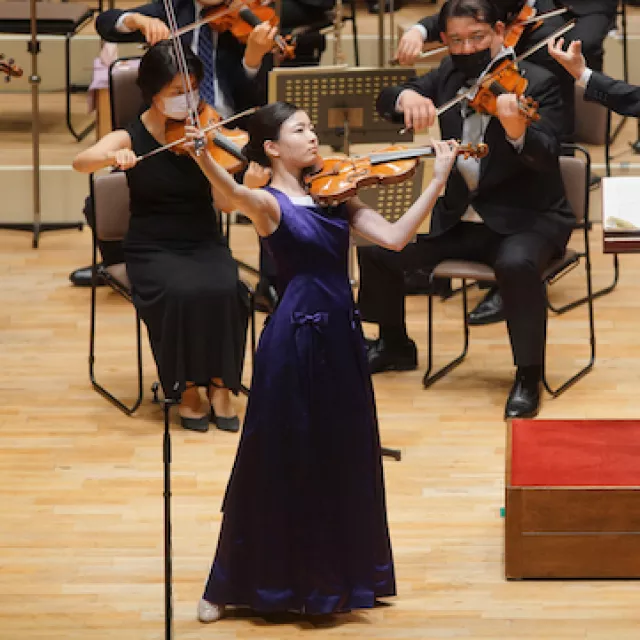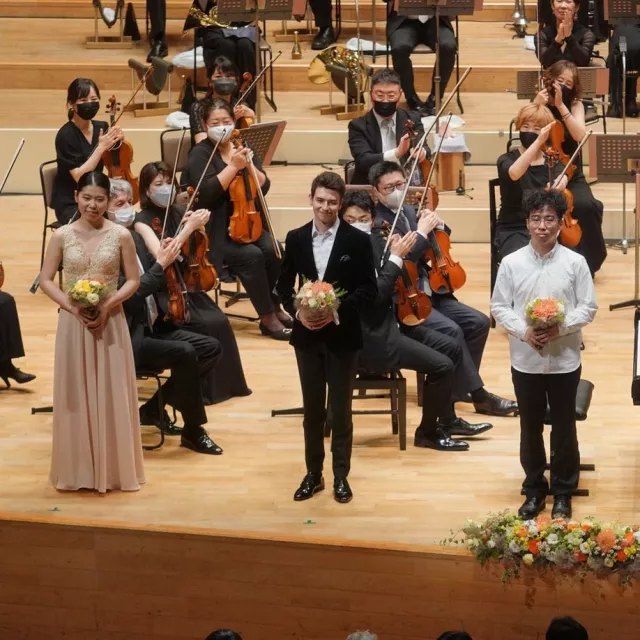
The jury decided not to award a first prize and you received second. How did you process that, and what did the interaction with the jury feel like?
As this was my first adult competition, I was genuinely delighted simply to receive an award. I fully respect the jury’s decision and took it as motivation to continue working. There were opportunities to speak with jurors at the prize ceremony, and the panel felt professional and balanced. Ultimately, competition outcomes are always somewhat beyond a player’s control — the constructive response is to focus on artistic progress.
How did previous competitions prepare you for Sendai, and what felt new?
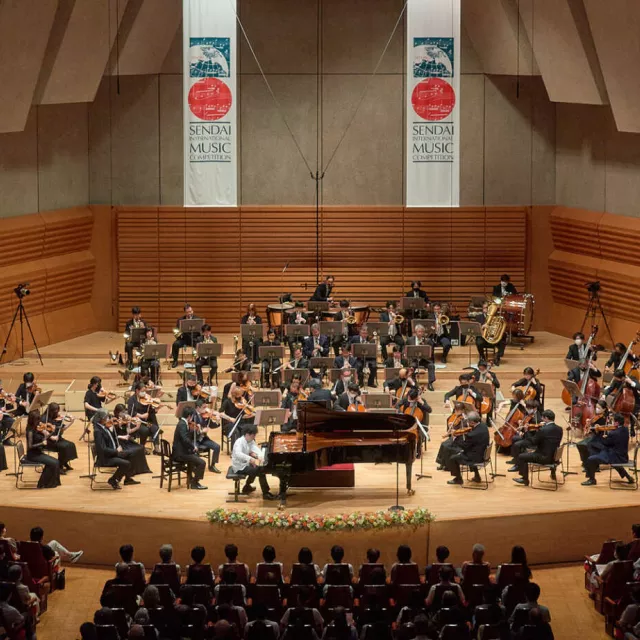
Previous competitions helped me become accustomed to being evaluated, but many recent events were online because of COVID. Sendai was my first, major in-person competition since 2019, so returning to a live stage with an audience and full orchestra felt different in the best way — more immediate and human. That shift from recording alone to performing live changed how I approached presence and communication on stage.
Sendai has a reputation for being highly efficient — but some people say that risks being a bit impersonal. What was your experience of the organisers and day-to-day life there?
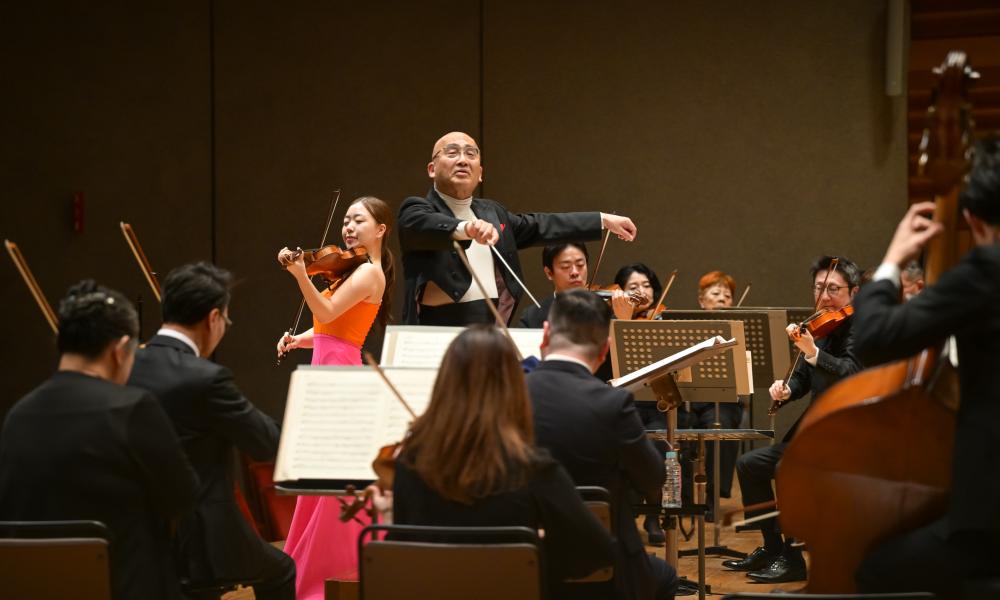
I found the organisation a big plus, not a limitation. Knowing exactly when and where to be, what repertoire was required and having rehearsals run on time let me plan practice very efficiently. Especially when I returned to Sendai later to perform as a competition winner, the team took such good care of me: they arranged meals, suggested sightseeing ideas and checked on our wellbeing. So that efficiency really supported, not replaced, a warm atmosphere. I’m very thankful to the team for their warm support.