JEJU CITY, SOUTH KOREA

Jeju Composition Competition Celebrates Island Sounds and Stories

The 2026 Jeju International Composition Competition for Wind Orchestra returns amid the island’s Spring Festival, commissioning new works rooted in Jeju folk songs

Set against the volcanic landscapes and coastal panoramas of Jeju — the Island of Peace and Culture — the Jeju International Composition Competition for Wind Orchestra convenes composers and performers as part of the island’s Spring Festival. Founded in 2021 to encourage new repertoire for wind ensemble and to foreground Jeju’s cultural identity, the competition entered its fifth edition in 2026. Entrants were required to base their submissions on at least one traditional Jeju folk song, a rule that directly ties creative practice to local heritage while inviting contemporary reinterpretation for concert stages at home and abroad.
The three finalist works selected for the 2026 final offer distinct yet complementary responses to Jeju’s people and traditions. Shin Kim’s Fantasy Overture Jeju is described by the composer as a celebration of the island’s recovery and a hymn to peace and unification. Kim foregrounds Neoyoung-Nayoung — arguably Jeju’s best-known folk song, whose refrain “you and I” he reads expansively as an appeal for communal solidarity rather than solely romantic love — and weaves that melody through stylistic terrain ranging from traditional tonal writing to jazz-inflected gestures, swing and modal references. The result is explicitly plural in language and intent: a musical argument that Jeju can function as an international unifying zone that embraces disparate cultures and voices.

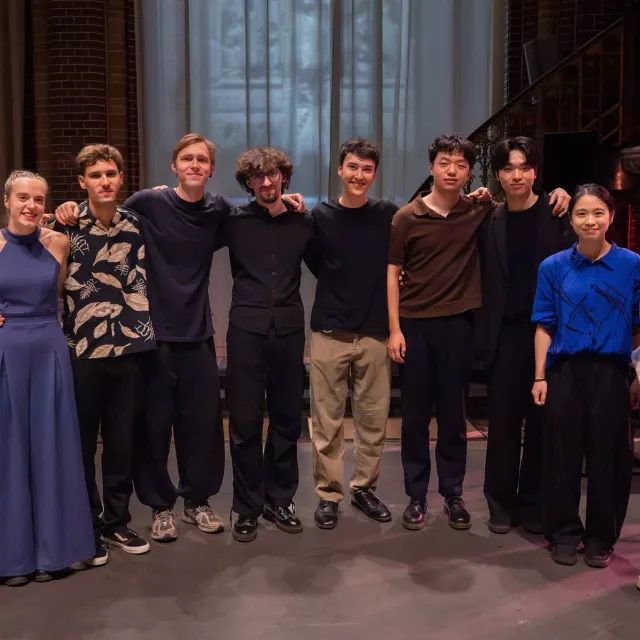
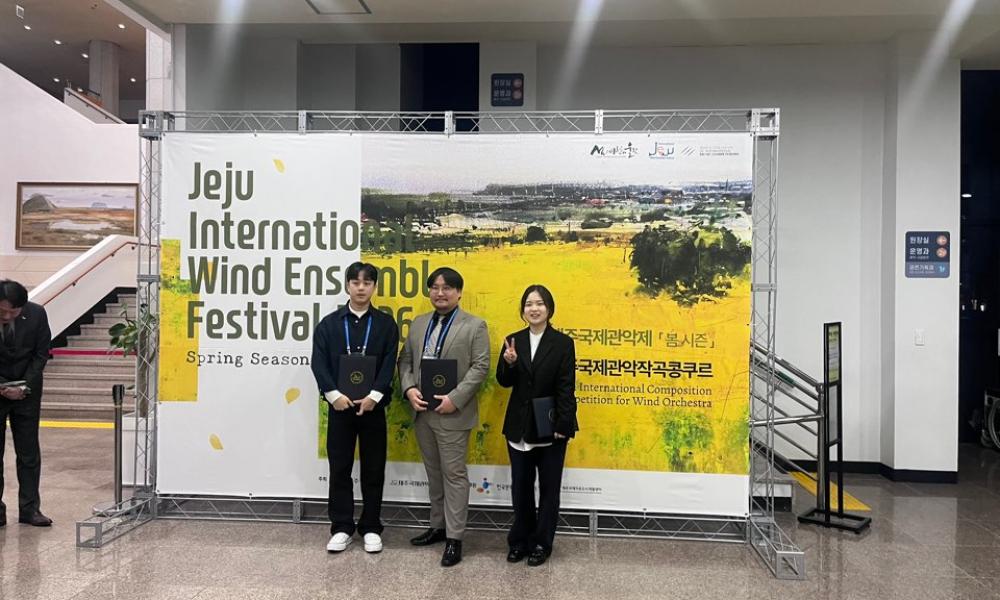
Composers finalists Jeho Jeong, Shin Kim and Juyeon Jo

Juyeon Jo’s Jamnyeo draws inspiration from the haenyeo, Jeju’s iconic women divers, and frames their labor and rhythm as a cyclical musical narrative shaped by song, breath and movement. The primary motif is drawn from the haenyeo work song “Ieodo Sana,” which historically accompanied rowing, descent and communal rest; Jo expands that material into a wind-orchestra sound world meant to evoke both the physical pulse of ocean work and the durational passage of a life lived in close relation to the sea.

Jeho Jeong’s Mother's Sea pays tribute to the island’s mothers — women who balanced sea and field and child care with unflagging resilience. Jeong uses the labor song sung while floating on rough waters and the lullaby “Wongi Jarang” to articulate a portrait of heroic endurance that softens at day’s end into intimate maternal care. The piece traces a continuum from communal muscle to private warmth, placing folk-tune fragments in a larger emotional architecture that honors both public strength and domestic tenderness.

Taken together, these finalist scores illustrate the competition’s dual mandate: to stimulate contemporary composition for wind orchestra and to reframe Jeju’s folk traditions as living, mutable resources for modern artistic expression. By requiring a basis in Jeju song, the organisers encourage composers to negotiate questions of authenticity, transformation and cultural exchange, producing works that are at once regionally specific and internationally legible.

For performers and audiences, the Jeju competition offers more than a showcase of new music; it positions the island as a place where nature, history and artistic innovation intersect. The Spring Festival context amplifies this effect, allowing premieres to resonate within Jeju’s extraordinary landscapes and community life. As the competition matures, its membership in WFIMC and its steady commissioning of repertoire promise to broaden the wind-orchestra canon while ensuring that Jeju’s melodies continue to circulate, reinvented, on global stages.
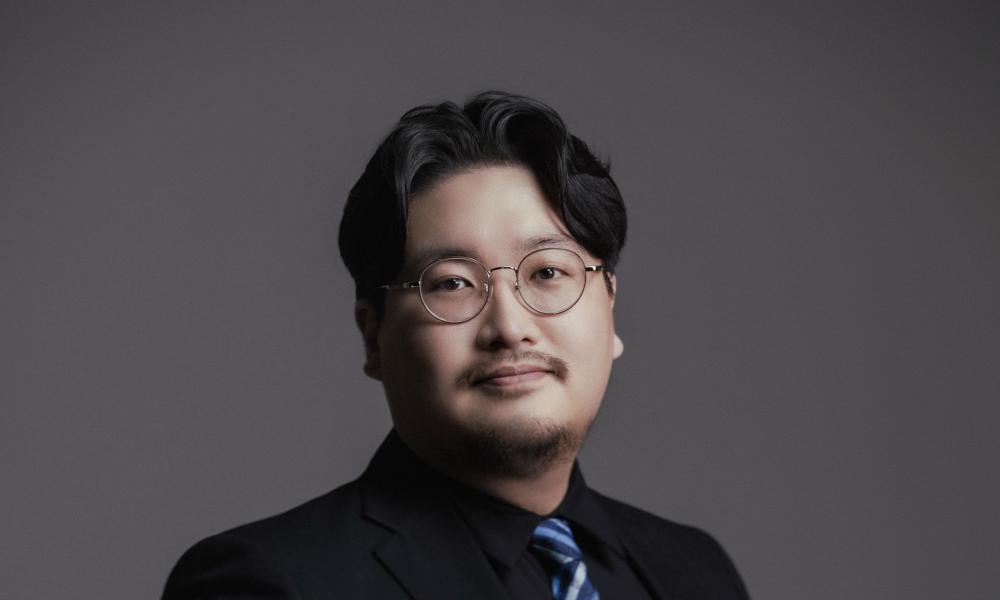


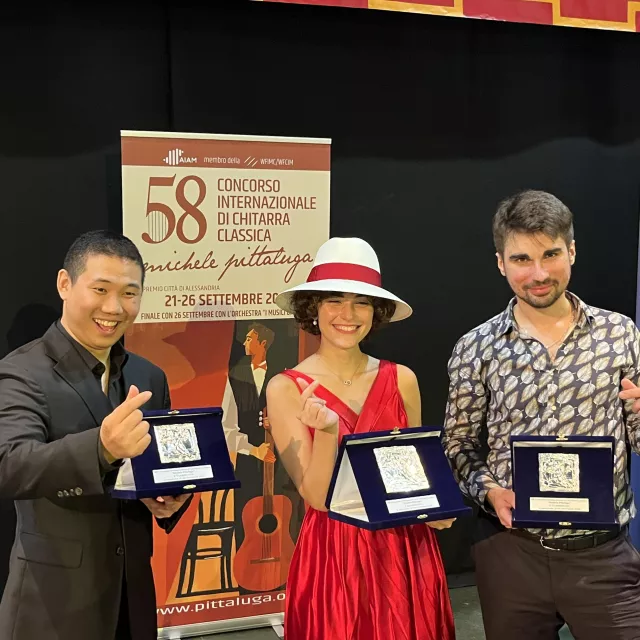
1st prize winner Shin Kim

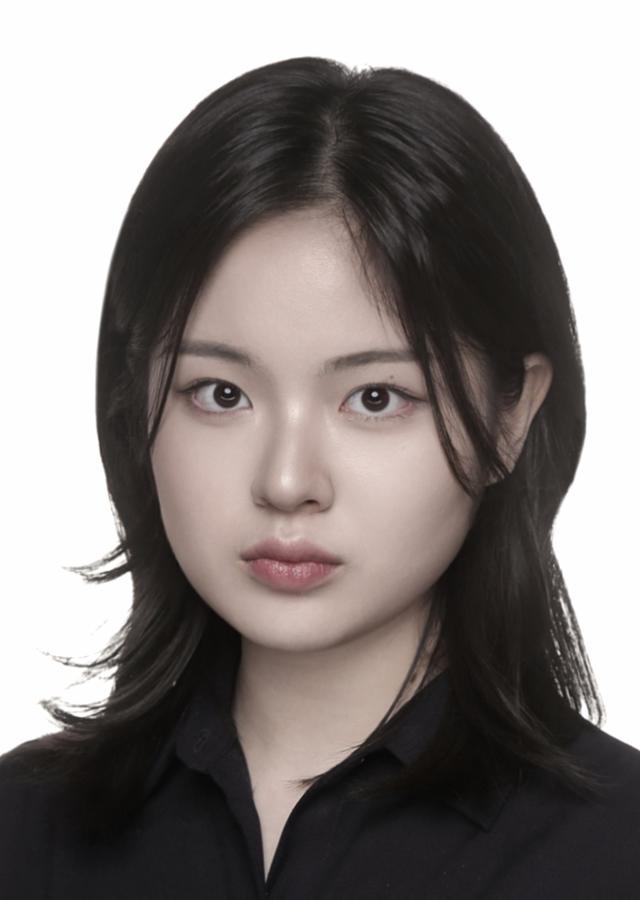
2nd prize winner Juyeo Jo

3rd prize winner Jeho Jeong

Awards: 
First Prize: Shin Kim
Second Prize: Juyeo Jo
Third Prize: Jeho Jeong

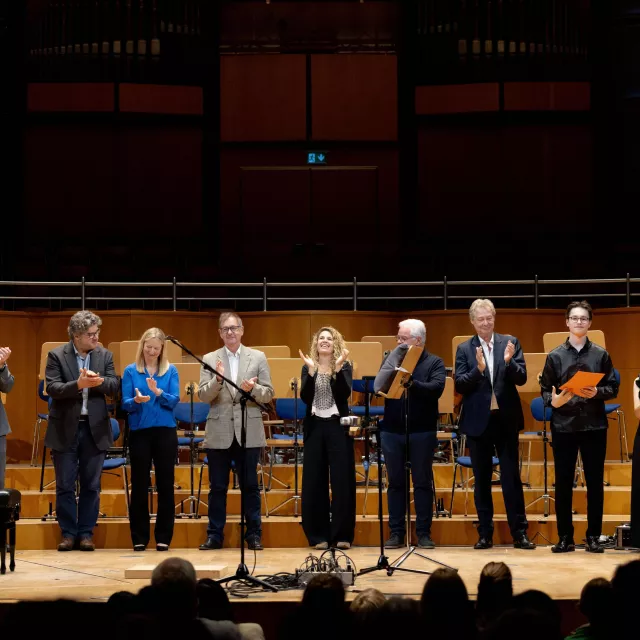
Jury: Kang Cheol-Ho (chair), Jennifer Jolley, Bence Kutrik, Peter Meechan, Soohyun Park, Wolfram Rosenberger, Shu-Han Yeh

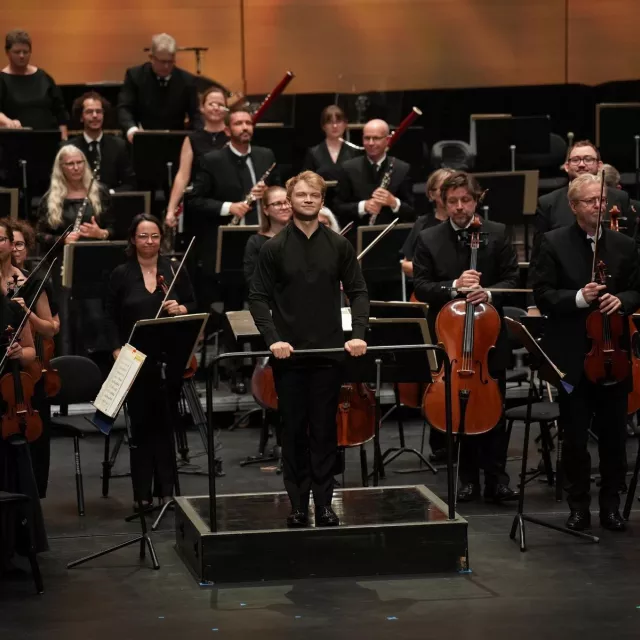
Artists: Jeju Seogwipo Wind Orchestra, Dongho Lee/conductor


©WFIMC 2026