WFIMC: This year marks the 50th edition of the International Music Performance Competition Sigall. What does that anniversary mean to you?
Pedro-Pablo Prudencio: It is a very important anniversary, and I am especially happy that the 50th edition coincides with the voice category. For me, the human voice is really at the heart of music!
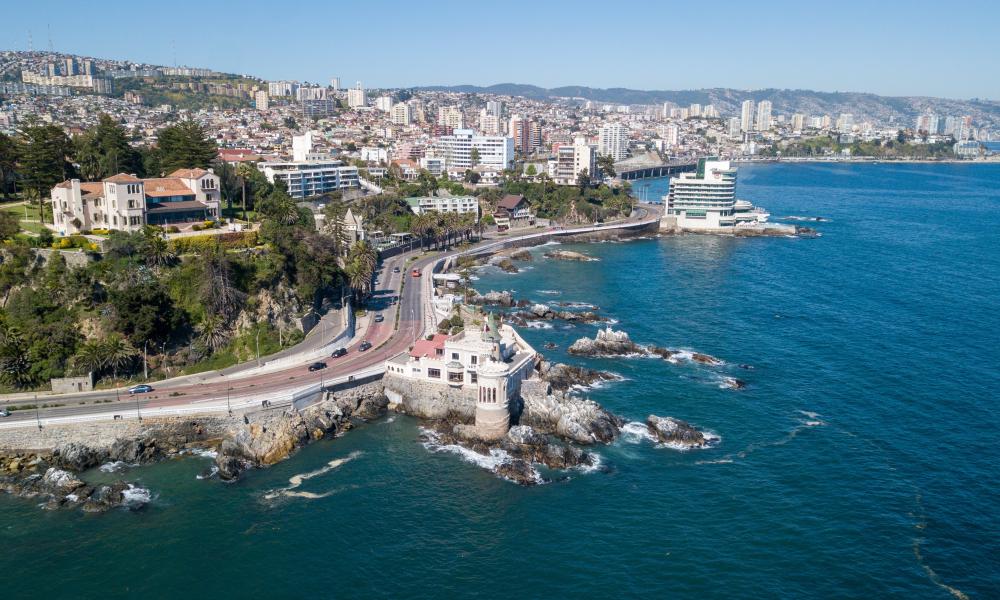
The competition is a very important cultural event in Chile and throughout the region. It attracts young artists from Chile, South America and other parts of the world, while audiences also travel to Viña del Mar to attend. It has a long tradition and remains highly respected.
There were periods when the competition was an enormous event nationally and internationally. Our responsibility now is to give it new momentum and new visibility, while preserving its identity and importance.
You have recently assumed the role of Artistic Director. What are your priorities?
My task is to bring new energy and new light to the competition. This involves the artistic profile, but also communication and the way we present the competition to the world.
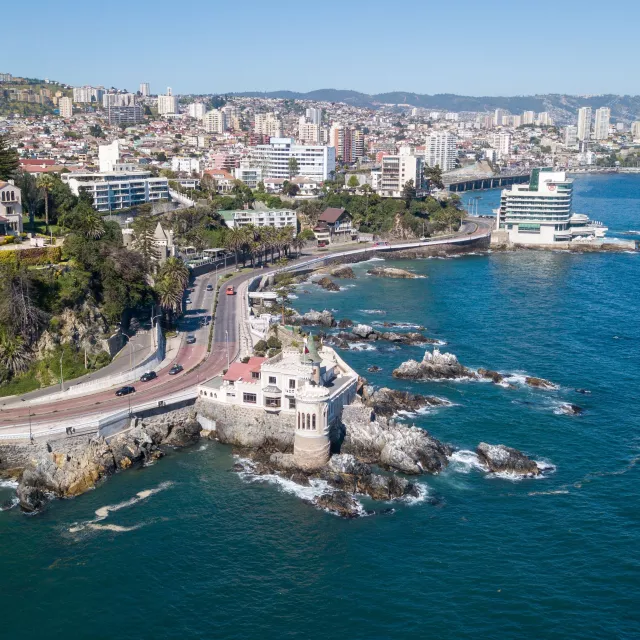
The Sigall has enormous potential. It is not simply a cultural event; it is also a showcase for emerging artists. Young musicians come to Chile from different parts of the world, and in turn Viña del Mar becomes a window through which Chile is seen internationally. We are working to communicate this more effectively. The website and the competition’s presentation are being developed further, because the importance of the event should be immediately clear to prospective applicants, audiences and institutions.
How did the competition begin?
It was founded by a music lover who dreamed of creating something comparable to the Chopin Competition in Warsaw. He brought together contacts, including people in Vienna, and succeeded in establishing an international competition in Viña del Mar.
For a long time, it was the only international competition of its kind in South America. That history gives it a special place. To maintain an institution for 50 years is no small achievement, particularly when cultural organizations must continually secure funding and justify their work.
What are the main challenges today?
Funding remains a challenge. We have to use every resource carefully and continually explain why the competition matters. It offers opportunities to young artists, creates international connections and brings cultural attention to Viña del Mar and Chile.
At the same time, there are still many people who believe in the competition and work toward the same goal. That gives us the confidence to continue developing it.