VIÑA DEL MAR, CHILE

The Luis Sigall at 50

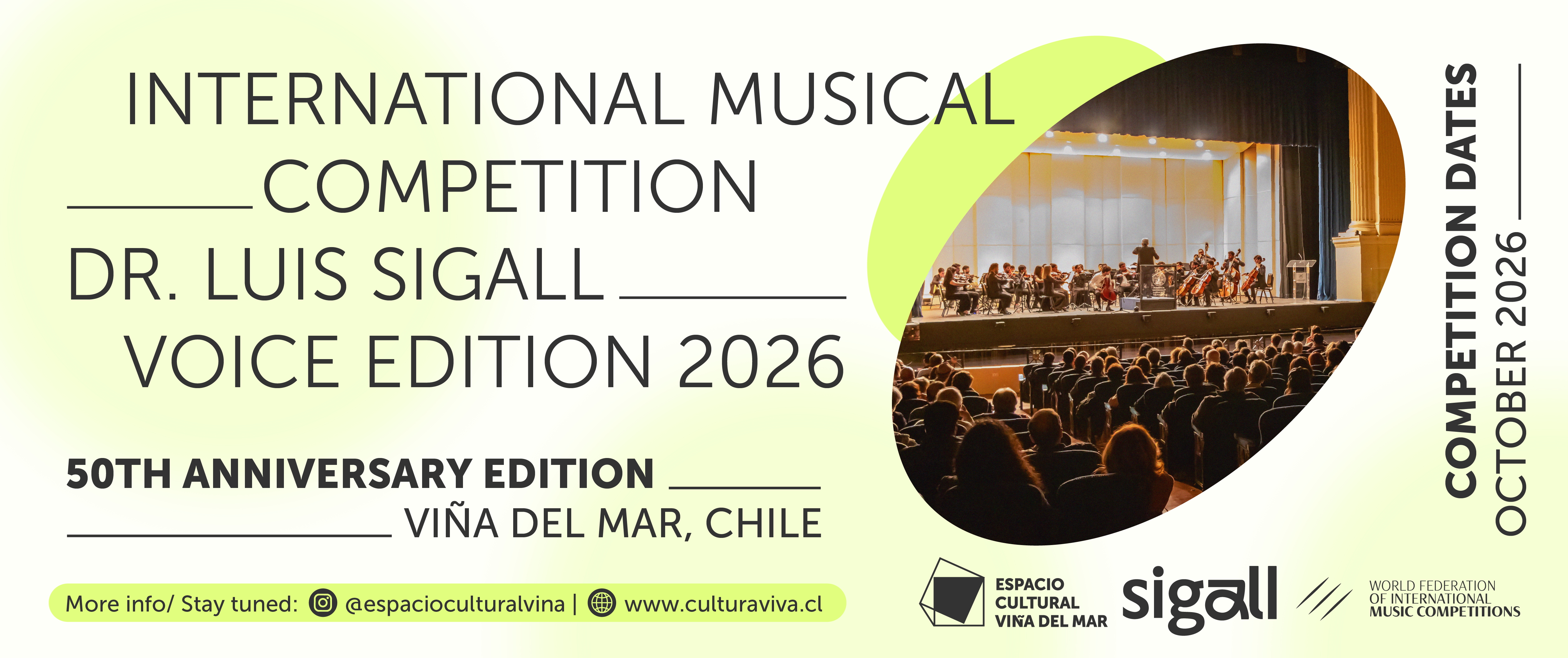
Viña del Mar celebrates half a century of its iconic international Competition

An interview with Ana Leiva Hidalgo, Producer of “Sigall 50”; Francisca Martinez, Head of Communications & PR, and Macarena Contreras, Production Coordinator at at Espacio Cultural Viña del Mar.


WFIMC: Ana, you’re a cellist and now producer of the Dr Luis Sigall Competition. What is your background, and how did you come to this role?

Ana Leiva Hidalgo: I’m a Chilean cellist and music teacher, trained in Santiago and now based in Viña del Mar, where I also teach and perform, especially with my quartet, Polaris. Having spent most of my life on stage, I understand very well what musicians need in order to feel respected and to give their best. When the opportunity arose to work with the Sigall Competition, it felt quite natural: I could bring that performer’s perspective into the organisation.


What does the competition mean to you personally?

Ana Leiva Hidalgo: As a child, the Sigall Competition was my first encounter with top‑level classical music. I never competed, but I went as an audience member and it left a deep impression; in that sense the competition is “in my blood.” It is a fundamental part of Chile’s classical music history, and I would say an important reference point in Latin America as well. Working on it now is a way of giving back to something that helped shape my own musical life.

Teatro Municipal de Viña del Mar

Francisca, many readers know the name Viña del Mar, but not a lot more. How would you introduce your city to someone coming for the first time?

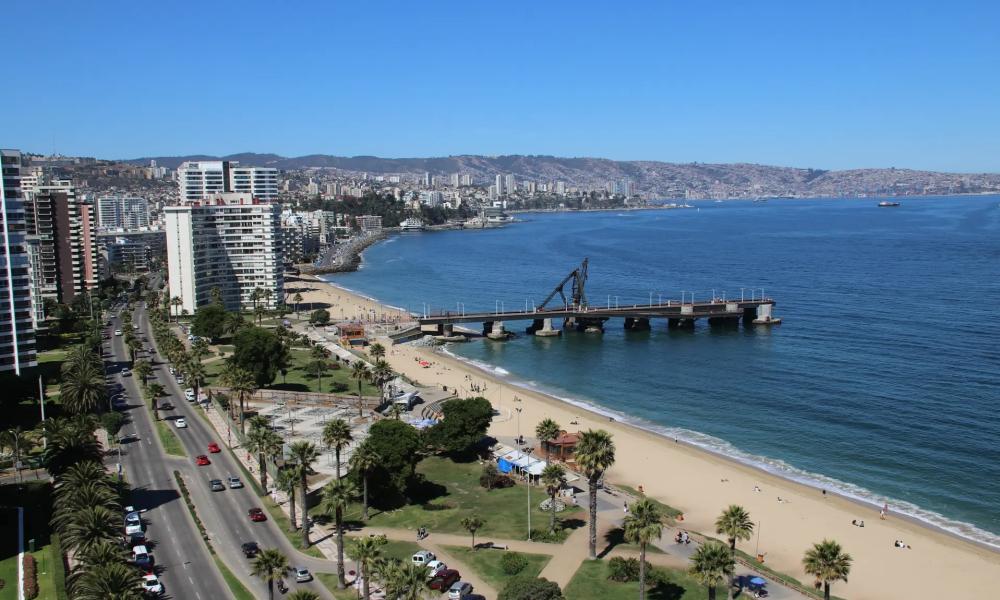
Francisca Martínez: In Chile, Viña del Mar is best known as a seaside city: the beaches, the Pacific Ocean, the summer holidays. In January and February it’s full of tourists, above all because of the Festival Internacional de Viña del Mar, a huge popular music festival followed across Latin America. But Viña del Mar is not only a resort. It has a strong cultural identity all year round. We have the Teatro Municipal de Viña del Mar, the Espacio Cultural Viña del Mar, museums and art galleries, and beautiful historic palaces and small castles that people here really love and protect. It’s a city where heritage and culture are part of everyday life.


How does the Sigall Competition fit into that picture?

Francisca Martínez: The competition lives right inside this mix of seaside atmosphere and serious culture. Our aim is to position the Sigall clearly alongside the famous popular festival, as the city’s major international classical event. Viña del Mar can be both a holiday destination and a place where you encounter world‑class artists on stage. We want visitors and local audiences to feel that connection very strongly.

Scenic view of the beach at Viña del Mar

This year you celebrate “Sigall 50”. Could you outline the history and the significance of the competition?

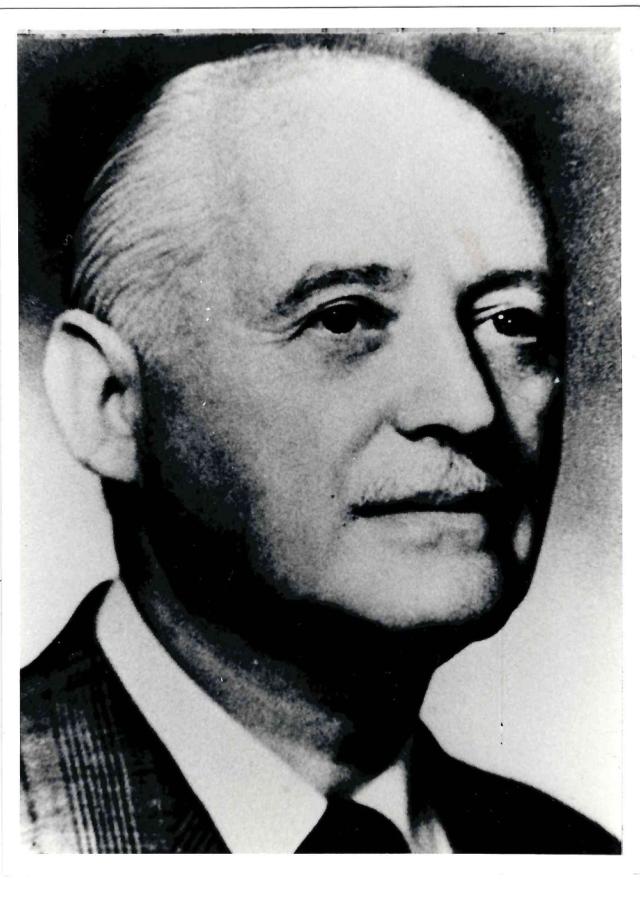
Macarena Contreras: The full name is Concurso de Ejecución Musical Dr Luis Sigall. It was founded in 1974 in Viña del Mar by Dr Luis Sigall, a medical doctor and passionate music lover, together with the cellist Isidor Handler and Dr Sigall’s wife, Oriana Ortúzar Vial. From the beginning it was conceived as an international competition, with disciplines rotating between piano, violin, cello, voice and classical guitar. For nearly fifty years, Dr Sigall and Oriana dedicated themselves to building and sustaining this project. In today’s terms they were a real “power couple”: he contributed vision and resources, she was deeply involved in organisation and management. 


Who was Dr Luis Sigall as a person, and how is his spirit reflected in this anniversary edition?

Macarena Contreras: Dr Sigall was a doctor by profession, not a professional musician, although he played the piano. Above all he was a passionate music lover who believed that classical music should be more accessible. In the Chile of the 1970s, it was often seen as something elitist. Through the competition and other educational initiatives, he wanted to open that world. That idea still guides us. This year we are also formally honouring his wife, Oriana Ortúzar, with a series of "Oriana Ortúzar Workshops" for the community, recognising her central role in developing the competition.

Dr Luis Sigall

What is the main message you want to send with this 50th anniversary, “Sigall 50”?

Francisca Martínez: For us, Sigall 50 is not about proving that we can survive; fifty uninterrupted years already prove that. The message is that we have built a musical legacy and are now projecting it into the future. In a relatively young country, a 50‑year international competition represents continuity, seriousness and trust. This edition is for voice, with Viña del Mar as the constant stage, and we are telling the story of Sigall as someone who belongs to the city, to Chile and to a wider international community.


How is the competition structured, and how do you bring Chilean music and the city into that structure?

Macarena Contreras: There are three stages. The preliminary round is online: candidates send video recordings, which are evaluated by an international jury. From there we invite around six to eight artists to Viña del Mar for the semi‑finals. In that round they perform freely chosen repertoire within our guidelines and an obligatory piece by a Chilean composer. That Chilean work is very important: it appears in both the semi‑final and the final, so every competitor must really engage with our musical language. Three artists advance to the final, also held in Viña del Mar. At the same time, the other semi‑finalists stay in the city to give outreach concerts and to participate in workshops. We think of Sigall as a whole experience that connects artists with the place and its people, not just as a sequence of performances in a theatre.


How do you ensure that Sigall is present in the life of the city, not only on stage?

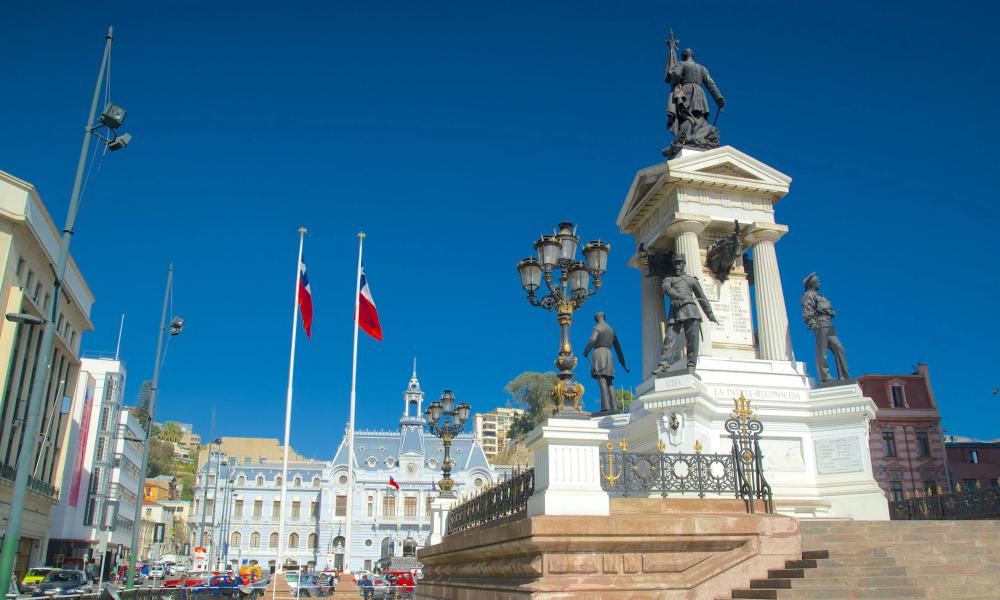
Ana Leiva Hidalgo: We take the competition into public spaces. We organise concerts in hospitals, visits and workshops in schools and kindergartens, and musical activities in cultural and heritage sites in Viña del Mar, Valparaíso, Concón and the surrounding area. For young people it is very powerful to see that musicians have travelled from Japan, France, Germany and many other countries to play in their own city. It also reverses the usual direction of cultural travel in Chile. Normally people come from the regions to Santiago for masterclasses and concerts. During the Sigall, audiences and professionals from Santiago and elsewhere come to Viña del Mar. For those weeks, our city becomes a musical centre.


Plaza Sotomayor in Valparaíso

What about the international reach – how many people apply, and how do you support them in coming such a long way?

Macarena Contreras: The number of applications varies depending on the discipline, but in recent editions we have been around 50 to 70 candidates in the first round, and we aim to grow. Only about 15 percent of applicants are from Chile, which reflects the reality that classical music is still not a very common professional path here. One of our missions is to change that perception and to show that a serious musical career is possible. Once artists are selected for the live rounds, we cover their travel to Chile, their accommodation and local expenses. We know Chile is geographically far from many musical centres, but this is how musicians live: travelling from country to country to perform. We want to make that journey possible and attractive.


How does the local public react to this strong international presence – do you ever hear criticism that there are “too many foreigners”?

Ana Leiva Hidalgo: On the contrary, the reaction is very positive. It is still relatively rare here to hear live performances by artists from very distant countries, so audiences appreciate it. We work to turn this into a real exchange: between visiting and Chilean musicians, between artists and local communities, and between the competition and other festivals. It is not a one‑way movement. Winners and even participants who did not reach the final often return later to perform, thanks to the contacts they made. And Chilean musicians build networks that help them abroad. For us, that international mix is one of Sigall’s great strengths.


Finally, looking beyond this anniversary, what is your vision for the future of the Sigall Competition?

Ana Leiva Hidalgo: At its heart, Sigall is about love for music and for people. We want to protect the human dimension of classical music: the relationship between performer, score and audience. The composers may no longer be with us, but we keep them alive through that connection. We see the Sigall as an event for the whole city, as a home for young musicians from Latin America and beyond, and as a place where artists feel respected and inspired, not only judged. At the same time, we are modernising: improving streaming, strengthening digital access, and using new technologies with care, always keeping live performance at the centre. Our dream is that, after these first fifty years, Sigall continues as a reference in Latin America for a serious, artist‑centred competition culture – and that Viña del Mar remains its natural stage.


©WFIMC 2026/FR