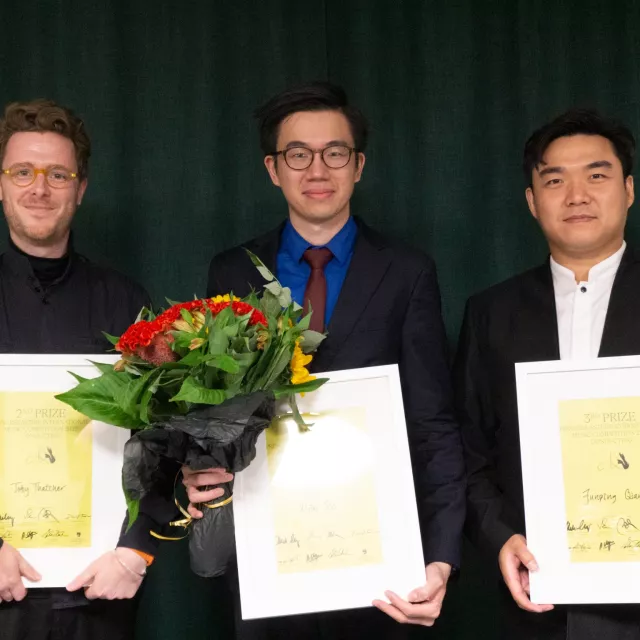
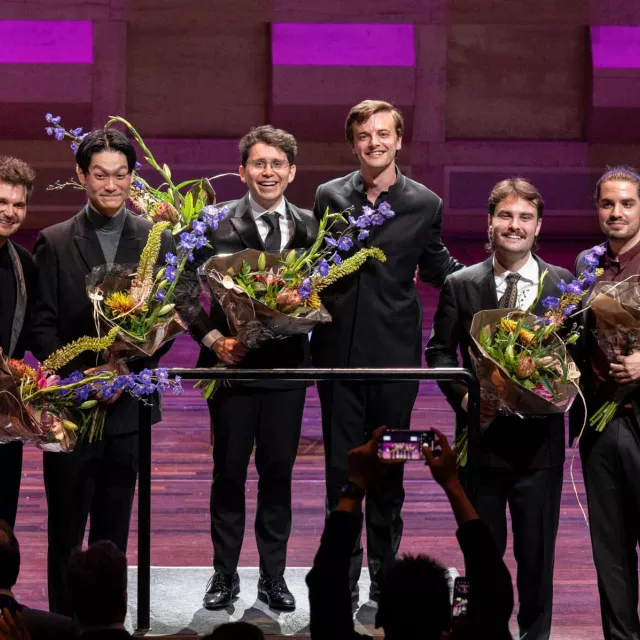
Looking at Besançon, which famously reserves the right not to award a Grand Prix at all, how flexible are your own rules about awarding the prizes?
Obviously, I would love to see the First Prize awarded! But, it will not be mandatory. No prize is. The jury must feel that a given level has been reached to be awarded. All prizes can also be shared. I wanted to keep a high artistic standard and at the same time make the prize structure as democratic as possible. We trust our jury deeply: whether they work for Chicago, BBC, Berlin, Kristiansand, Ljubljana or major opera houses and managements, these people know what they are doing. My role within the jury is strictly honorary. I will not vote. I will be there to oversee and advise, ensuring that the process runs smoothly, but the decisions are entirely theirs.
One of the most delicate issues in any high-level competition is the dynamic within the jury. How do you plan to handle discussions, potential disagreements, and the process of decision-making?
I’ve served on international juries myself on many occasions, so I’ve seen several models. I’m convinced that the most productive approach is a two-step process:
First, voting without discussion. Each jury member assigns points—on a 1 to 10 scale—independently. That gives us an unfiltered snapshot of where everyone stands. When we look at the results, there’s usually a clear top group, a clear bottom group, and perhaps a more contested middle.
Only then, if we see that certain candidates are very close in the middle and decisions must be made, we open the floor to deliberation. At that point, sharing opinions is useful: Why did you support this candidate? What did you see that others maybe didn’t, or vice versa? That’s where the “temperature” of the room must be carefully handled.
This is exactly the job of the chair, and we are fortunate to have Bill Chandler in that position. Bill is not only the Director of the BBC Symphony; he was the associate concertmaster of the Royal Scottish National Orchestra, and he has extensive experience from the Houston Symphony and the BBC Concert Orchestra as well. He knows what orchestral musicians need from a conductor, and he knows how to lead discussions among strong personalities. I trust him completely in this role.
Looking ahead: the first edition is in 2026. What is your vision for the future, and when will the second edition take place?
Our executive committee has already decided that the competition will be held every four years. The second edition is planned for 2030.
My hope is that this becomes a meaningful, sustainable event—not just “another competition with a name on it.” The name may be Pehlivanian, but the concept is fundamentally global. It’s about creating opportunities for conductors worldwide, at all stages of their careers.
A key part of that long-term vision is the sustainable career development conference. During the first three days in Bled, all selected candidates—up to 144 of them—will be there together. They will not only present themselves to the five international conductors’ jury; they will concurrently also attend the full three-day sustainable career development conference. That conference is for them, and their questions will be addressed. That, I promise you.
My ideal outcome is that everyone who comes to Bled in those first 3 days leaves as a winner, even if they are not among the 18 finalists. They will leave as champions of new knowledge, with a clearer understanding of how our profession works, with new contacts, and with direct networking with the panelists and institutions. Engraved, an inner new determination, that they are better equiped to sail through the rough and restless waters of our profession, searching for their shores of purpose.
To extend this impact further, the entire conference will be live-streamed on our PICC YouTube channel. So even conductors who cannot travel there will be able to follow the discussions and panels in real time and benefit from them live, and perhaps even later on, from our archives.
Our hope is that the competition becomes well known not only for its top prizes but also for truly equipping conductors for a meaningful international career—artistically and professionally—then I’ll feel we have achieved our mission and left an ongoing global impact for future generations of conductors, successfuly.
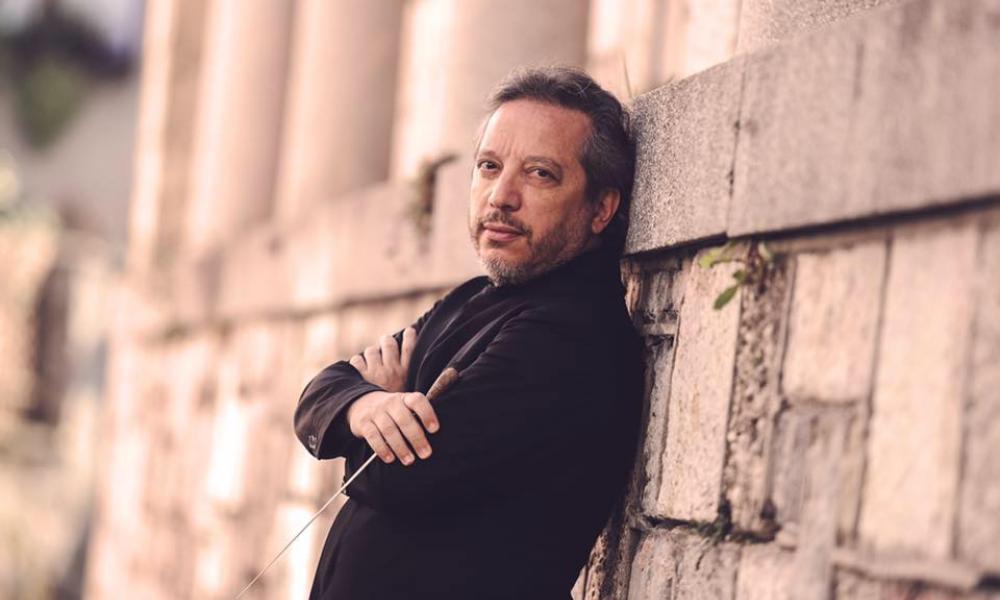
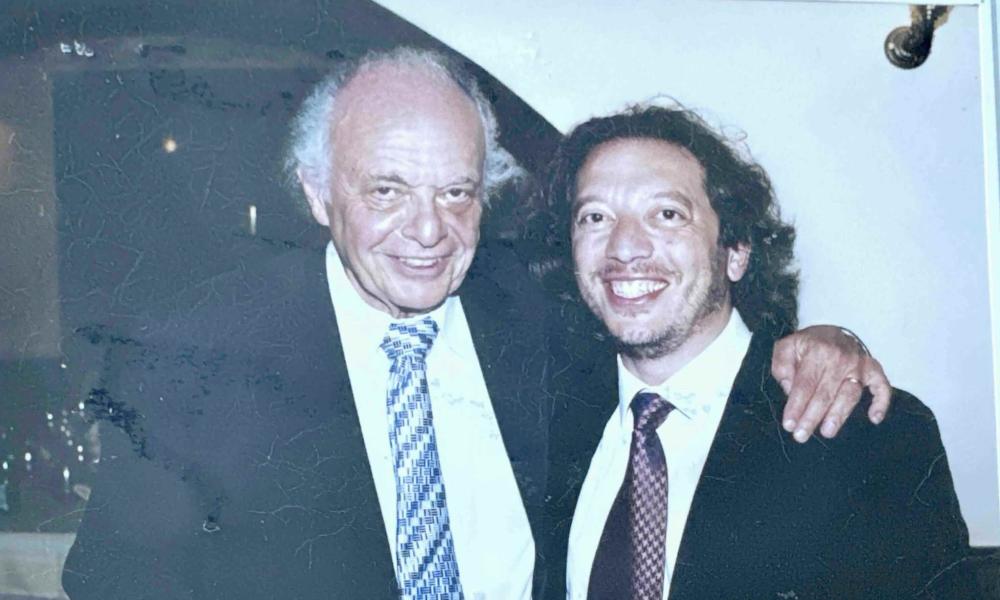
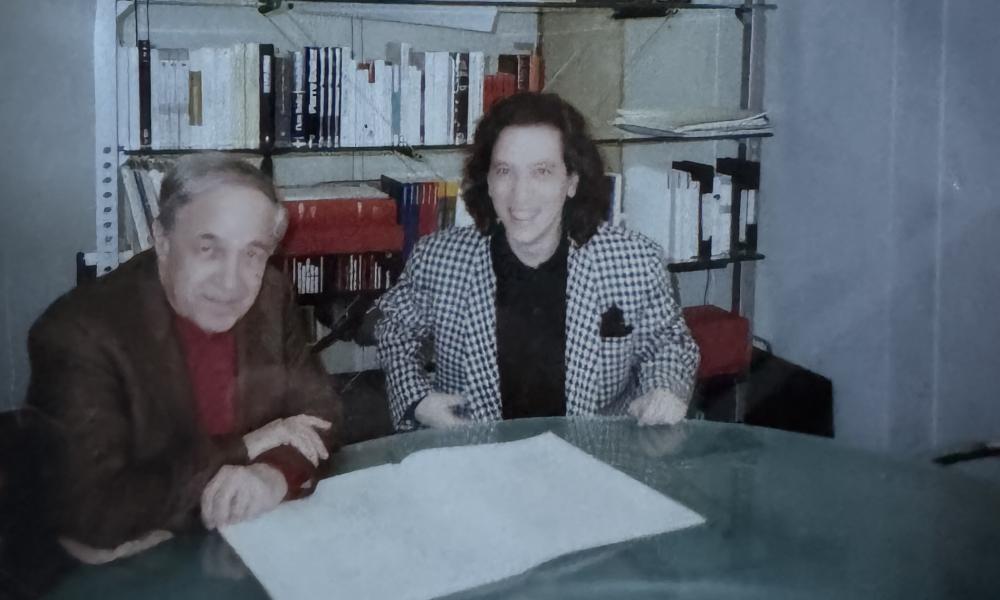
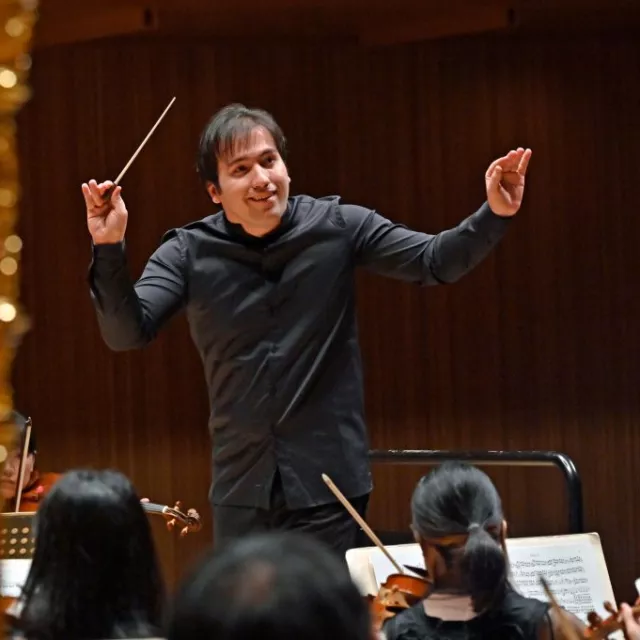
Born in Beirut, George Pehlivanian began piano at three and violin at six, and emigrated with his family to Los Angeles in 1975. He later studied conducting with Pierre Boulez, Lorin Maazel and Ferdinand Leitner. In 1991 he became the first American to win the Grand Prize at the Besançon Conducting Competition.
Since then he has conducted many of the world’s leading orchestras, including the London Philharmonic, Philharmonia, Israel Philharmonic, Filarmonica della Scala, Orchestra dell’Accademia di Santa Cecilia, Rotterdam Philharmonic, Orchestre Philharmonique de Radio France, Monte‑Carlo Philharmonic, Orchestre de la Suisse Romande, as well as major orchestras across North America, Europe, Asia and the Middle East.
He has collaborated with artists such as Leonidas Kavakos, Vadim Repin, Sarah Chang, Joshua Bell, Janine Jansen, Misha Maisky, Gidon Kremer, Jean‑Yves Thibaudet, Arcadi Volodos, Emanuel Ax, Lynn Harrell, Maurice André, Evelyn Glennie and Mirella Freni.
Pehlivanian has been Chief Conductor of the Slovenian Philharmonic (2005–2008) and Principal Guest Conductor of the Residentie Orkest in The Hague, the Wiener Kammerorchester, the Staatsphilharmonie Rheinland‑Pfalz and the Opera in Cagliari. His discography on Virgin Classics/EMI, BMG, Chandos and Studio SM includes acclaimed recordings, notably Liszt’s complete works for piano and orchestra with Louis Lortie.
© WFIMC 2026 / FR