WFIMC: Mr. Rometsch, your transition from a career in finance to becoming a pillar of the music world is unusual. What inspired you to launch the Aeolus Competition in 2006?
Sieghardt Rometsch: It was a matter of looking for a meaningful purpose after my retirement. I didn't want to spend my days on golf courses or cruises. Music had always been the most significant passion of my life. I consulted with various luminaries—rectors of music academies, figures from the ARD Competition—and they agreed that a specialized competition would fill a real void.
Looking at the landscape at the time, there were dozens of piano and violin competitions, but very few dedicated to wind instruments. As a man of business, I saw a niche. I founded a foundation to support talented young musicians, a way of giving back for the fortunate circumstances of my own life.
How did you build such a world-class institution from scratch?
The beginning was not straightforward. I assembled a group of advisers, but I chose the wrong people, and that did not work out. The decisive encounter happened in Dresden, where a clarinet quartet from a specialist music school performed at a foundation meeting. Afterwards, I asked the young players whether they all hoped to study with Sabine Meyer. They said, “No, we want to study with Ralf Manno.”
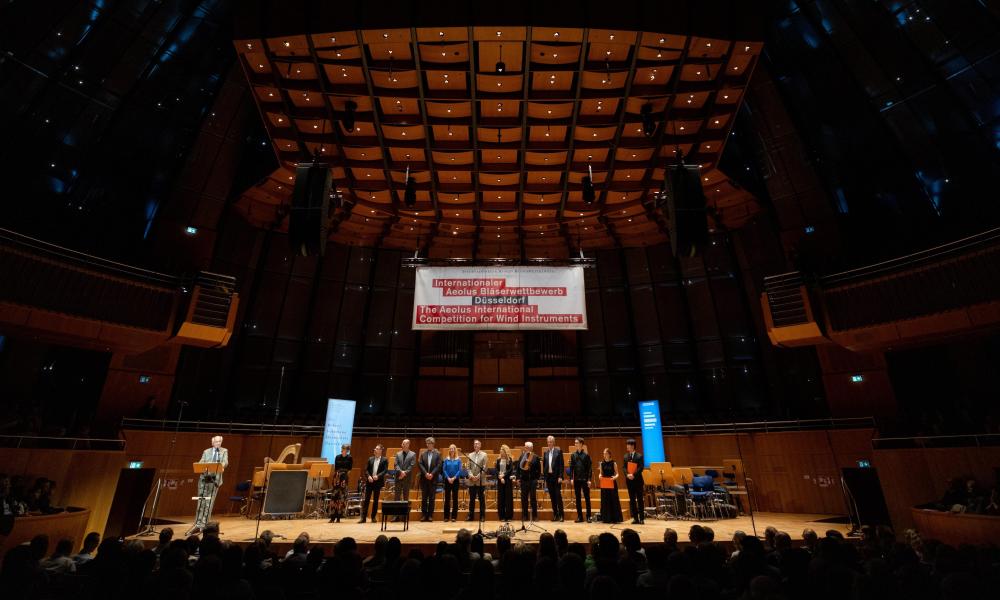
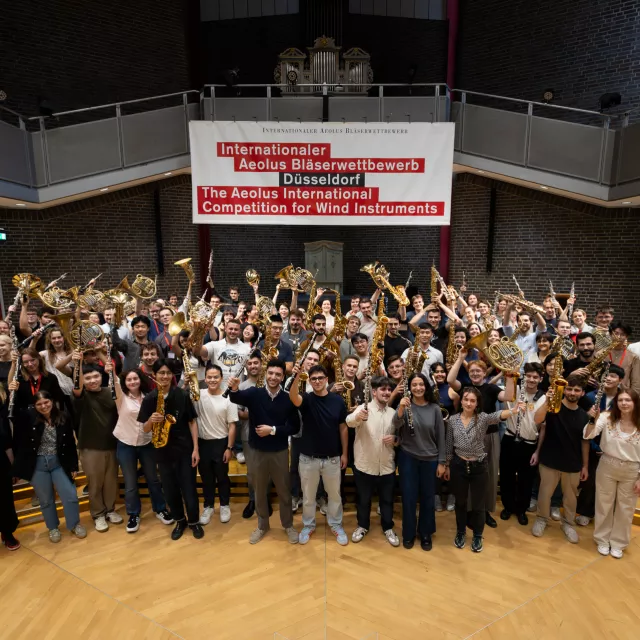
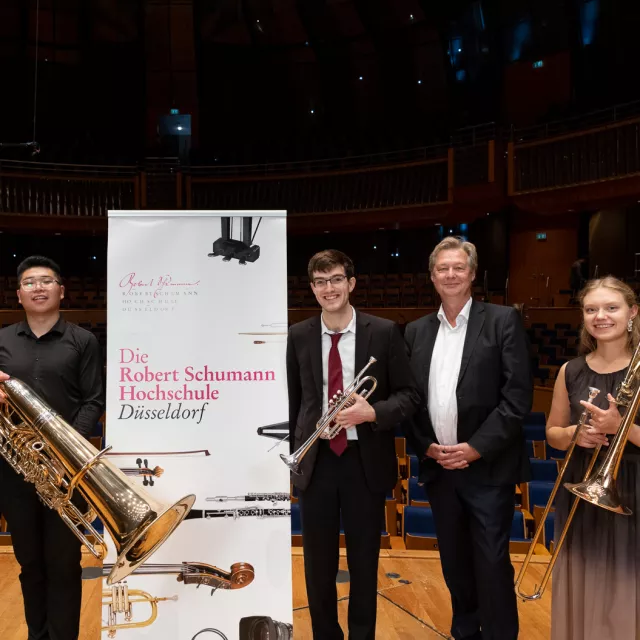
I did not know him, but fortunately he was a professor in Cologne, so I invited him to lunch. At first, he told me he would not become involved. We nevertheless had a very good conversation, and by the end he said, “When I see that you are doing all this with your own private resources, I think it is such a wonderful initiative that I will help you.” That was a Monday. By Friday, we had Dag Jensen for bassoon, Sharon Kam for clarinet, Daniel Gauthier for saxophone, and Manno himself. Within four days, we had a world-class jury. I learned early on that success in this field is very much about knowing who to call. Crucially, I sought the partnership of the Düsseldorfer Symphoniker and the Robert Schumann Hochschule. They became—and remain—the true home of the competition. By anchoring the competition within a premier educational institution, we ensured both artistic integrity and structural stability.