BEIJING, CHINA

A World of Talent, A World of Opportunities

An interview with WFIMC Vice President Sisi Ye

The inaugural WAPA International Youth Arts Festival brings eight outstanding international competition laureates to Beijing for a week of concerts, chamber music and educational activities. On the sidelines of the opening Press Conference of the festival, WFIMC Vice President Sisi Ye discusses the idea behind the festival, the significance of today's major competition victories, and her personal ambition to build stronger connections between China and the international competition community.

WFIMC: The festival has taken nearly two years to develop. Where did the original idea come from?

Sisi Ye: Actually, the idea was quite simple from the beginning. We have so many excellent young musicians winning international competitions every year, but after the competition, what happens to them? Of course, some become very successful, but many others still need opportunities. And in China, we have built so many wonderful concert halls, we have orchestras, we have audiences who are really interested in classical music. So I thought, why don't we bring these two things together? I mean, we have the talent, we have the venues, so why not create something together? It took quite some time, almost two years, to make it happen, but I am very happy that we finally managed.

Why bring together winners from so many different competitions?

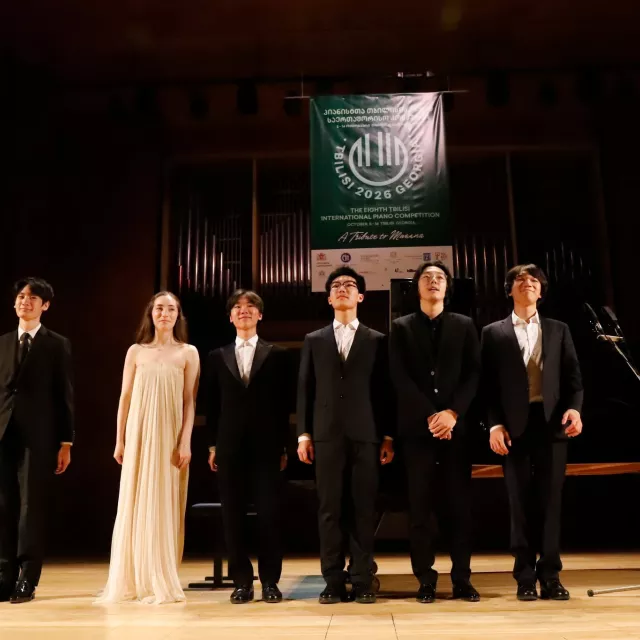
Because every competition is different, and I think this is also what makes our Federation so interesting. You have competitions with very long traditions, like the Chopin Competition, where Eric Lu won last year, after already winning in Leeds in 2018. And then we have Yifan Wu, who won the Busoni Competition, Liya Wang at the ARD Competition, Sarah Strohm in Geneva and Aozhe Zhang at the Paganini Competition. These are all very important achievements, but each competition has its own character. I mean, we don't want to present only the most famous competitions. We want to show how much talent there is across our whole network, and also give more visibility to competitions that perhaps are not so well known internationally.

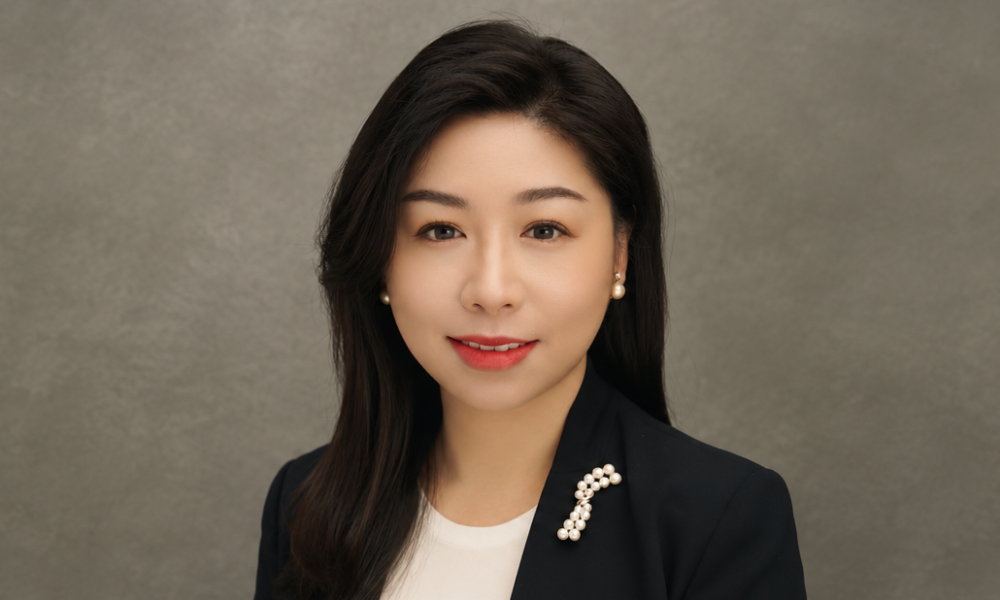
WFIMC Vice President Sisi Ye

Eric Lu is already an established international artist. Why include him alongside younger laureates?

Yes, Eric is in a different position, of course. He already had a very successful international career before winning the Chopin Competition last year. But I think this is exactly why it is interesting to have him here. The younger musicians can see someone who has already gone through many of the experiences they are now facing. And for Eric, it is also an opportunity to meet and work with other young artists. I think these personal connections are very important. A festival should not only be about coming to Beijing, playing a concert and leaving again. We want the musicians to get to know each other, and maybe something will develop from that in the future.

Several of the laureates won major prizes only recently. What makes this generation particularly exciting?

I think the level today is really extraordinary. When you listen to these young musicians, sometimes it is difficult to believe how young they are. Take Aozhe Zhang, for example, winning the Paganini Competition at such a young age. Or Yifan Wu at Busoni, and Sarah Strohm in Geneva. Of course, they all have fantastic technique, but this is not enough anymore. I mean, today many young musicians can play extremely well. What makes the difference is their personality, how they understand the music, what they want to say with it. And this is something we should encourage. We should not expect every competition winner to become the same kind of international soloist. Each of them needs to find their own way.

The festival also features organ, oboe and percussion. Was that diversity intentional?

Yes, absolutely. I think this is something very important for us. When people talk about international competitions, they often think first about piano or violin. But actually, we have so many wonderful competitions for other instruments, and their winners are just as talented. For example, Samuel Giddy on organ, Alexander Kronbichler on oboe and Gabriel Michaud on percussion. These are fantastic young musicians, but their career opportunities are sometimes more limited. I mean, how many orchestras invite a young percussion soloist compared to a pianist? So we wanted to give them the same international stage and also introduce these instruments to a wider audience. And for the audience, I think it makes the programme much more exciting.

How can a project like this benefit WFIMC's member competitions, particularly the smaller ones?

This is actually one of the things I care about very much. As a Federation, we should not only bring our members together once a year for a General Assembly, or exchange information. We should also create real benefits for them. Some smaller competitions are doing excellent work, discovering wonderful musicians, but they simply don't have the same international exposure or resources as the big competitions. So how can we help them? I mean, if we bring their laureates to Beijing, to perform with a major orchestra and in such important concert halls, this is also a recognition for the competition itself. And maybe it will open other doors for them. I think we have to look at the whole Federation, not only the famous names. Every member should feel that being part of WFIMC can make a difference.
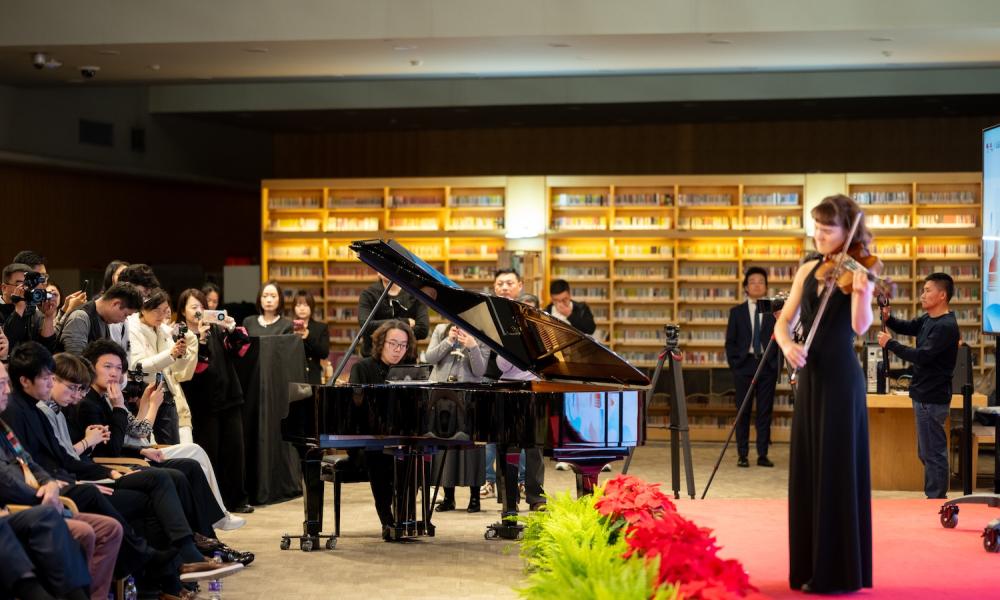
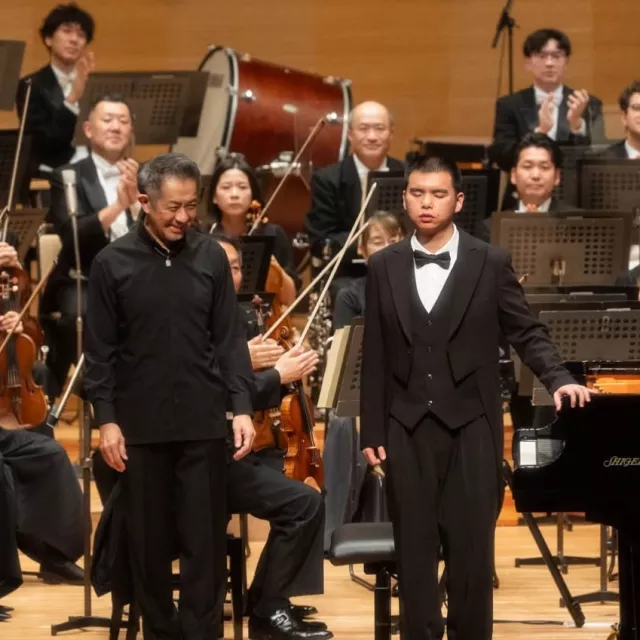
Sarah Strohm and Yifan Wu performing at the press conference in Beijing

How did you approach the artistic programming?

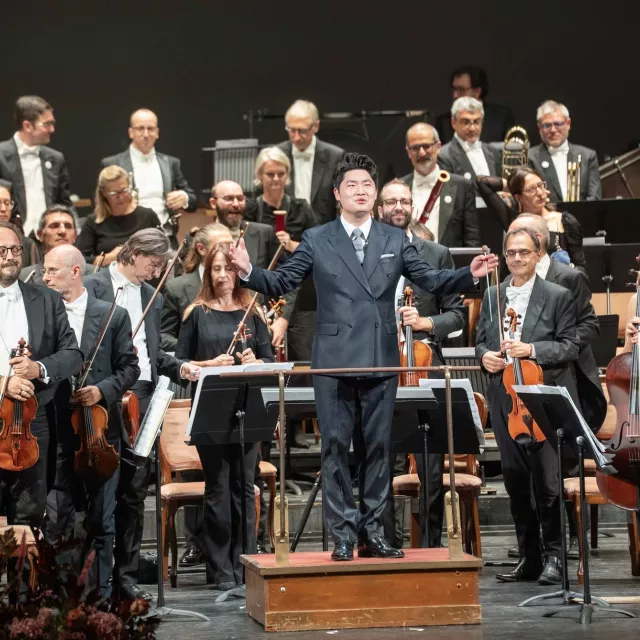
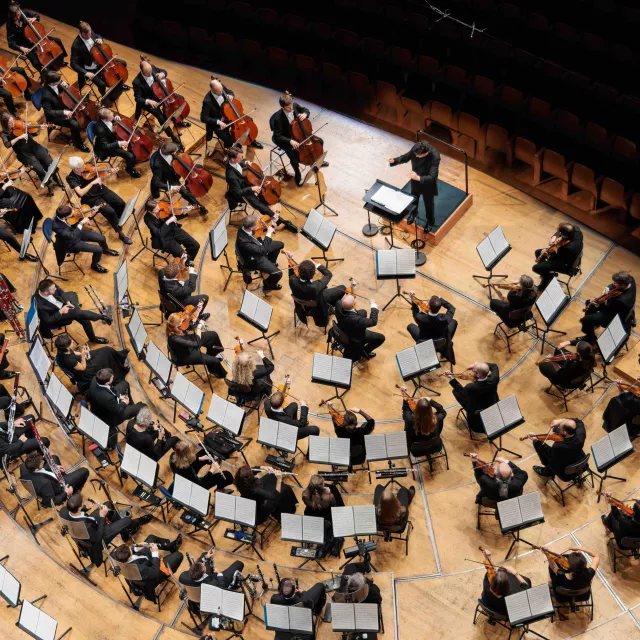
We wanted to give the musicians different opportunities to perform, not only as soloists with orchestra. Of course, the two concerto concerts with the NCPA Orchestra are very important, and we are very happy to have Jing Huan conducting. But we also have solo recitals and chamber music, where the laureates will play together with musicians from the orchestra. I think this is something quite special. Many of them have never met before, and suddenly they are rehearsing and making music together in Beijing. I mean, this is also how musicians learn from each other. And we were very fortunate to have Lü Jia involved in the artistic planning. He understands very well what young artists need, and how to make a programme that is interesting both for the musicians and for the audience.

What role do the two Beijing venues play?

The National Centre for the Performing Arts is already very well known internationally, and for any young musician it is a wonderful opportunity to perform there. But we also have the new Beijing Performing Arts Centre in Tongzhou, which is a really impressive place. And of course, with such a new venue, you also need to develop new audiences. I mean, you cannot just build beautiful concert halls and expect people to come automatically. You have to give them interesting programmes and reasons to visit. So we hope this festival can also bring people who perhaps have not been to a classical concert before. That is why we have the free performances, the public talks and activities for students. We want the music to reach more people, not only those who already know classical music very well.

China has produced many outstanding competition winners. How has its international musical standing changed?

I think the change has been enormous, especially over the last twenty or thirty years. When I was younger, it was still something quite special when a Chinese musician won a major international competition. Today, of course, we have so many excellent Chinese musicians studying and performing all over the world, and winning important prizes. But what I find even more interesting is that they are developing very different artistic personalities. They are not simply Chinese musicians playing Western classical music. They are international artists, with their own ideas and experiences. And this is also something very important for our Federation. I mean, we should look at the musician, not at the nationality. In this festival, Chinese and international laureates are simply colleagues, making music together. I think this is a very nice message.

Beyond concerts, what can China offer international laureates?

I think there are really many possibilities, and perhaps some international musicians are not yet fully aware of them. China has developed so much in the classical music field. We have many new concert halls, very good orchestras, conservatories, festivals, and also a very large number of young people studying music. Of course, the market is different from Europe or America, and it takes time to understand how things work here. But I mean, if a young musician comes to Beijing for this festival, meets conductors, orchestra musicians, presenters and other artists, maybe this can lead to another invitation, or a tour, or some educational project. We cannot promise that everybody will immediately have a big career in China. But we can help to make these first connections. And I think this is already something very valuable.

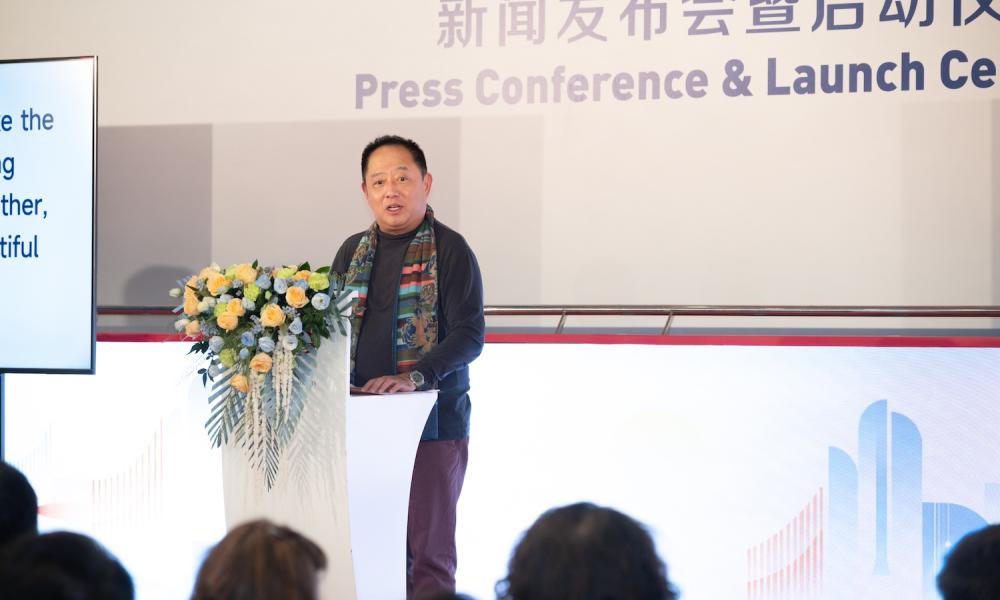
NCPA President Wang at the Press Conference and Festival Launch

What makes the cooperation between WFIMC and WAPA particularly valuable?

I think the two organisations can really complement each other. WFIMC has this wonderful network of international competitions, and through them we know so many talented young musicians. But of course, we are not a concert presenter or an artist management agency. WAPA, on the other hand, brings together important theatres, concert halls and performing arts institutions around the world. So I mean, we have the artists, and they have the stages and the audiences. Why not work together? I think the Beijing festival is a very good example of what we can achieve. And hopefully, this is only the beginning. Maybe in the future we can develop similar projects with other WAPA members, in other parts of the world. That would be a wonderful development for our Federation.

As WFIMC's first Asian Vice President, what are your personal ambitions for the Federation?

For me, this is something very personal. When I became Vice President, I really wanted to do something concrete, not just attend meetings and represent Asia on the Board. I mean, one of my dreams was always to open my country more to the Federation, to bring our international colleagues and young artists to China and let them experience what is happening here. We have so many wonderful concert halls, orchestras and cultural institutions, but sometimes there is still not enough exchange with the international competition world. So I wanted to help build these connections. And of course, I also hope that Chinese institutions can become more involved in WFIMC activities. This festival is really something I have wished for a long time, and I am very happy that we could make it happen. But I don't see this as only a Chinese project. I hope it can become something that benefits our members everywhere.

Finally, what would make this first festival a success for you?

Of course, I hope we will have wonderful concerts, full halls and happy audiences. And I hope all the musicians will enjoy their time in Beijing. But for me, the most important question is what happens afterwards. I mean, if one of these young artists receives another invitation to China, or if a conductor discovers a musician he wants to work with again, then we have already achieved something. And if the NCPA is happy with the festival and wants to continue it next year, that would be fantastic. We have worked for almost two years to make this first edition possible, and there were certainly some challenges along the way. So I really hope it will not be just one beautiful week and then everything is finished. My wish is that we can build something lasting, for the musicians, for our member competitions and for the Federation as a whole.

©WFIMC 2026/FR