BOLZANO, ITALY

Symposium: The artist of the Future

Ferruccio Busoni Intl. Piano Competition as part of the Bolzano Festival Bozen explores the future of classical music

From 4 August to 4 September 2026, the Bolzano Festival Bozen brings a month of classical music to the city of Bolzano, Italy. As part of this year’s festival, the Ferruccio Busoni International Piano Competition hosted The Artist of the Future, a symposium held from 27 to 29 August that brought together musicians, educators, journalists, competition organisers and other professionals from the classical music world.

The symposium addressed the key questions facing classical music today, What should—and what can—the future of classical music be?

Among the invited speakers were pianists Josu de Solaun, Lucas Debargue, Kit Armstrong, Yifan Wu and Nikola Meeuwsen, Paolo Somigli (Free University of Bolzano), Masashi Nishimaki (Artistic Director, Toppan Hall Tokyo), artist manager Shannen Liu-Kotow (LIU KOTOW Artists); Rita Virgili (Gioventù Musicale Italia), journalists Serena Bortone, and Martin Cullingford (Editor-in-Chief, Gramophone)

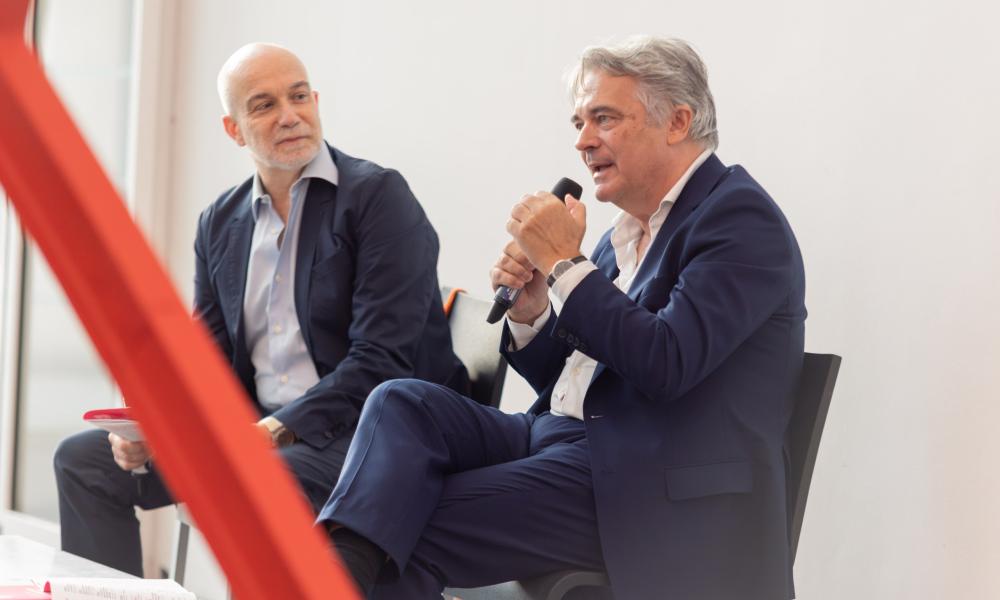
Andrea Penna (Moderator), and Peter Paul Kainrath (Artistic Director, Ferruccio Busoni Intl. Piano Competition ) © Samira Mosca

The symposium opened with a welcome talk by Andrea Penna, moderator, and Peter Paul Kainrath, Artistic Director of the Ferrucio Busoni Intl. Piano Competition, who introduced the question at the heart of the event: Why hold a symposium on The Artist of the Future?

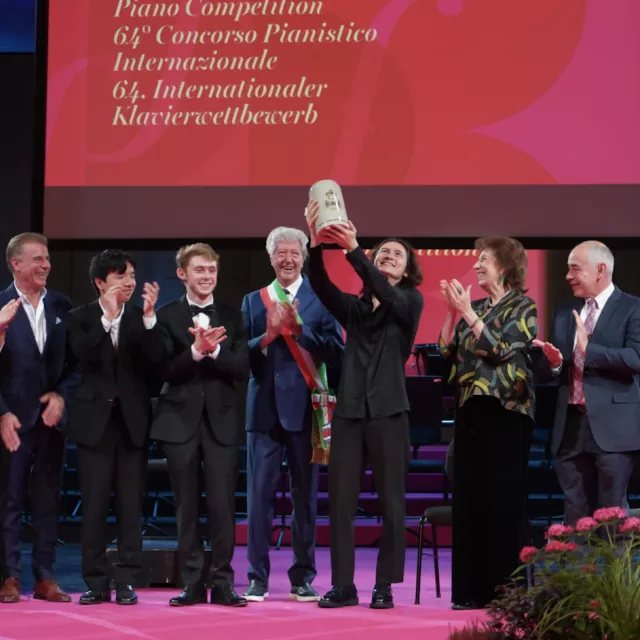
The question emerged from the solo finals of the 66th Busoni Piano Competition, where winner Yifan Wu made striking artistic choices, connecting a contemporary work to a Bach/Busoni transcription and incorporating improvisation into his performances.

His approach sparked debate about how much personal freedom competitors should have within a competition designed to ensure fairness and comparability. Ultimately, the jury chose to recognise Wu’s individuality and awarded him First Prize. The competition later adapted its rules to allow greater room for personal interpretation, improvisation and artistic freedom.

The Busoni experience therefore raised a broader question: What should, and can, the future of classical music be?

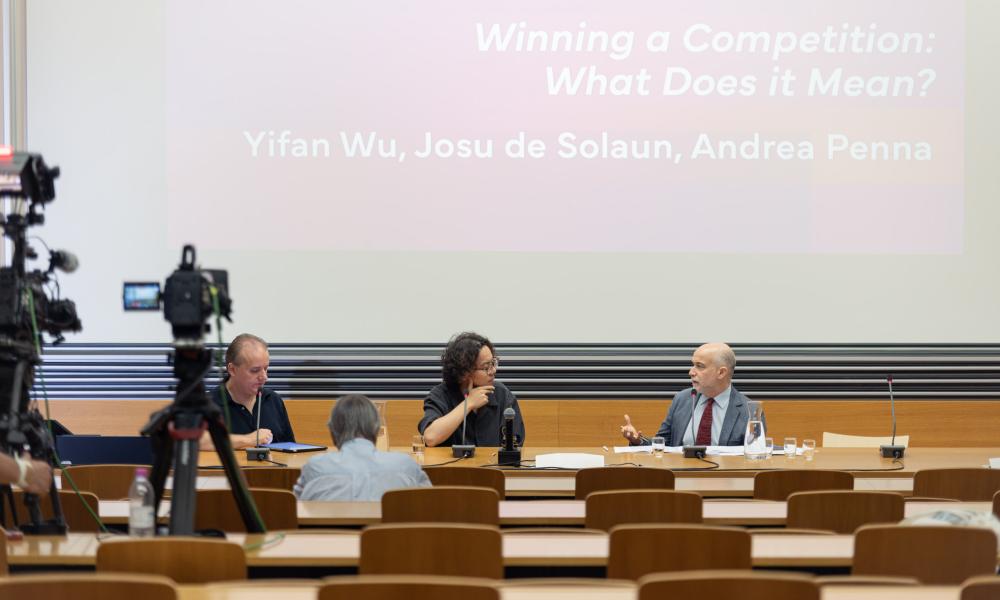
Panel Discussion: Josu de Solaun, Yifan Wu, and Andrea Penna © Samira Mosca

The symposium sought to take the discussion initiated by the competition a step further, bringing together different perspectives from across the classical music world.

One of the central themes was the tension between technical excellence and individual artistic identity. Juror and pianist Josu de Solaun addressed this through his concept of the “Global Neutral Style” (GNS)—a highly polished and internationally standardised approach to classical performance that, in his view, can place precision, clarity and correctness above individuality, risk and meaning.

De Solaun has called for renewed attention to artistic voice, creativity and broad musicianship, including a greater acceptance of imperfection as part of genuine artistic expression. Pianist Lucas Debargue, another Busoni juror, has likewise reflected on the role of creativity and freedom in contemporary classical music.

These questions shaped the morning programme, which opened with Prof. Paolo Somigli of the Free University of Bolzano considering the role of the musician as a “Pedagogical Artist.” De Solaun then presented his perspective on the Global Neutral Style, followed by a discussion between Yifan Wu, De Solaun and journalist Andrea Penna on the meaning of winning a competition.

The programme then turned to the next generation of interpreters. Masashi Nishimaki, Artistic Director of Toppan Hall Tokyo, addressed the future of performance, he argued that performance is fundamentally a dialogue with the audience and the work itself, and that a true artist is one who can move people. He pointed to improvisation as a way to nurture this, citing concepts from Zeami and Japanese Budō such as "Shuhari": first follow the rules and forms faithfully (shu), then break from them by questioning and adapting (ha), and finally transcend them to forge one's own original path (ri). and "Riken no ken.": the seeing of a detached view.

Shannen Liu-Kotow from LIU KOTOW Artists explored the relationship between the online and offline careers of pianist and digital creator Hayato Sumino (Cateen). Rita Virgili of Gioventù Musicale Italia and Andrea Penna considered the next generation of performers from an Italian perspective.

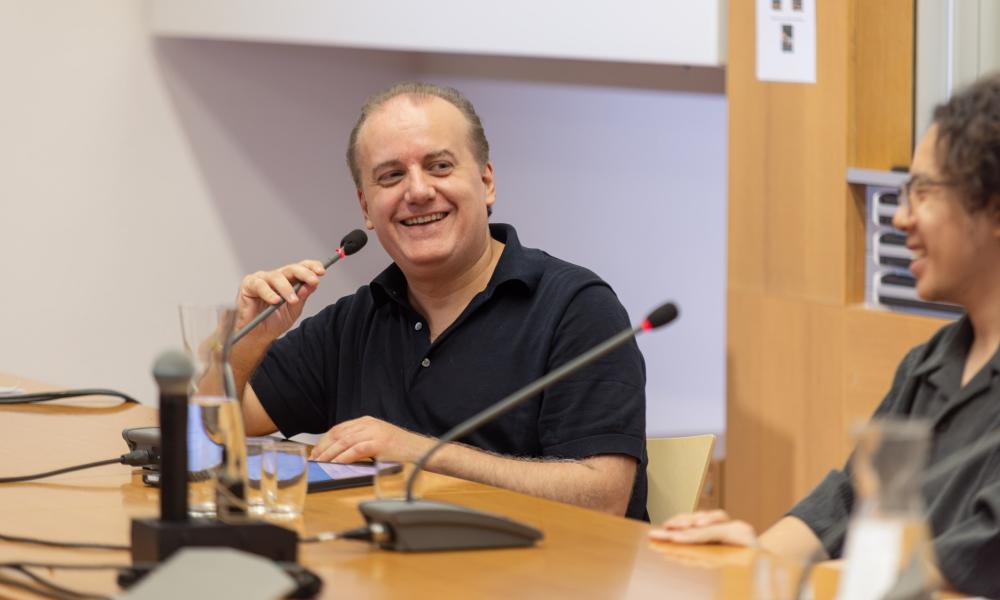
Josu de Solaun and Yifan Wu © Samira Mosca

The afternoon programme broadened the discussion to include media, science and creativity. Journalists Serena Bortone and Andrea Penna examined how the media contributes to shaping the public image of classical musicians and the ways in which artists communicate beyond the concert hall.

Pianist Kit Armstrong explored connections between music, science and mathematics, while Lucas Debargue argued for a stronger place for improvisation, composition and creative risk in classical music education calling for a return to practices that once lay at the heart of Western art music: invention, transformation, and personal engagement with the score. Martin Cullingford, Editor-in-Chief of Gramophone, offered a perspective on the changing classical music landscape, including the emergence of new audiences through digital platforms.

The symposium concluded with a round-table discussion featuring Yifan Wu, Nikola Meeuwsen and Martin Cullingford, who reflected on their experiences and on the paths that lie ahead for a new generation of classical musicians.

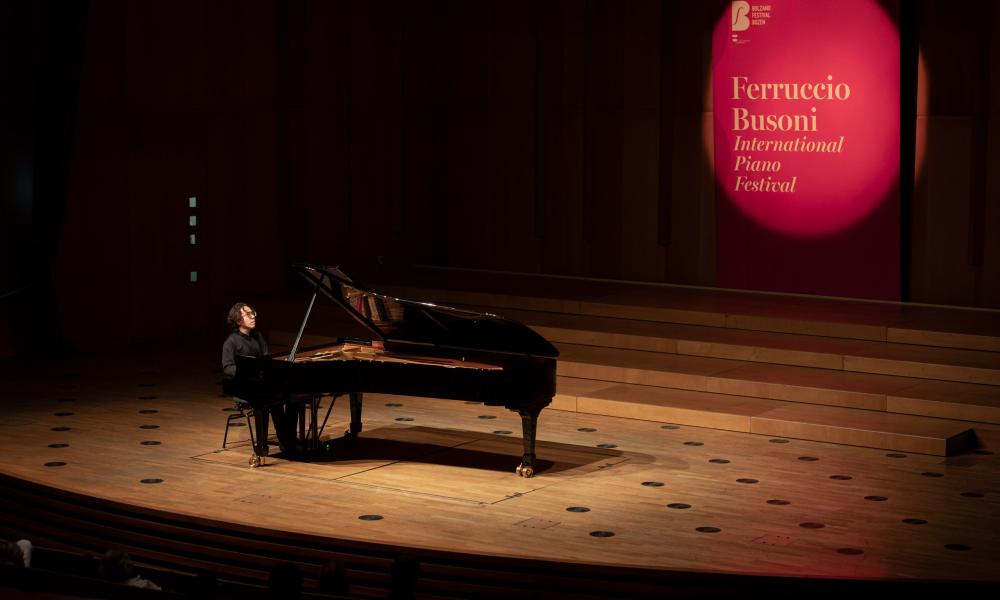
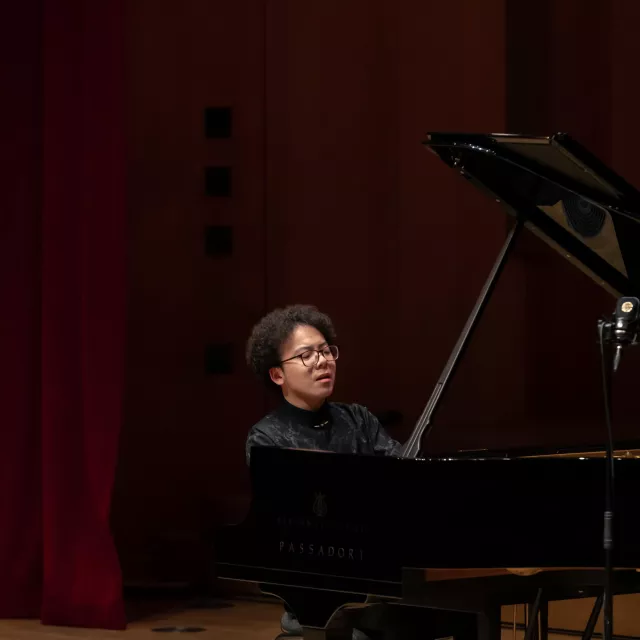
Yifan Wu, First Prize Winner of the 2025 Busoni Competition, performing at the festival © Lucia Rose Buffa

Alongside the symposium, the festival offered concerts by several of its participating artists, including Yifan Wu (First Prize, Busoni Competition 2025), Josu de Solaun, Nikola Meeuwsen (First Prize, Queen Elisabeth Competition 2025), and Kit Armstrong. The symposium was free to attend and was also live-streamed, with simultaneous interpretation available both in the conference hall and through the livestream. The festival continues through 4 September 2026, filling the city of Bolzano through performances from leading musicians around the world.


The International Ferruccio Busoni Piano Festival was made a biennial event in 2002 in order to underline and strengthen the basic themes of the competition and to showcase well-known former winners of the Busoni Prize such as Marta Argerich, Liliya Zilberstein, Arnaldo Cohen, Boris Bloch and Ursula Oppens, as well as more recent winners such as Anna Kravtchenko, Alexander Kobrin, Michail Lifits, and many more. Great names on the international concert circuit such as Alfred Brendel, Richard Goode, Radu Lupu, Kristian Zimerman and Grigory Sokolov have also enriched the festival with their presence. Winners of other important international competitions are regularly invited to the festival. Another goal of the festival is to communicate and celebrate the enormous musical and intellectual contribution that Ferruccio Busoni gave to the music of his day.

© WFIMC 2026/ HS