CAPE TOWN, SOUTH AFRICA

New Connections, Shared Ambitions

Preparing for its inaugural edition in March 2027, the Cape Town International Piano Competition joins the WFIMC as a Resonance Member

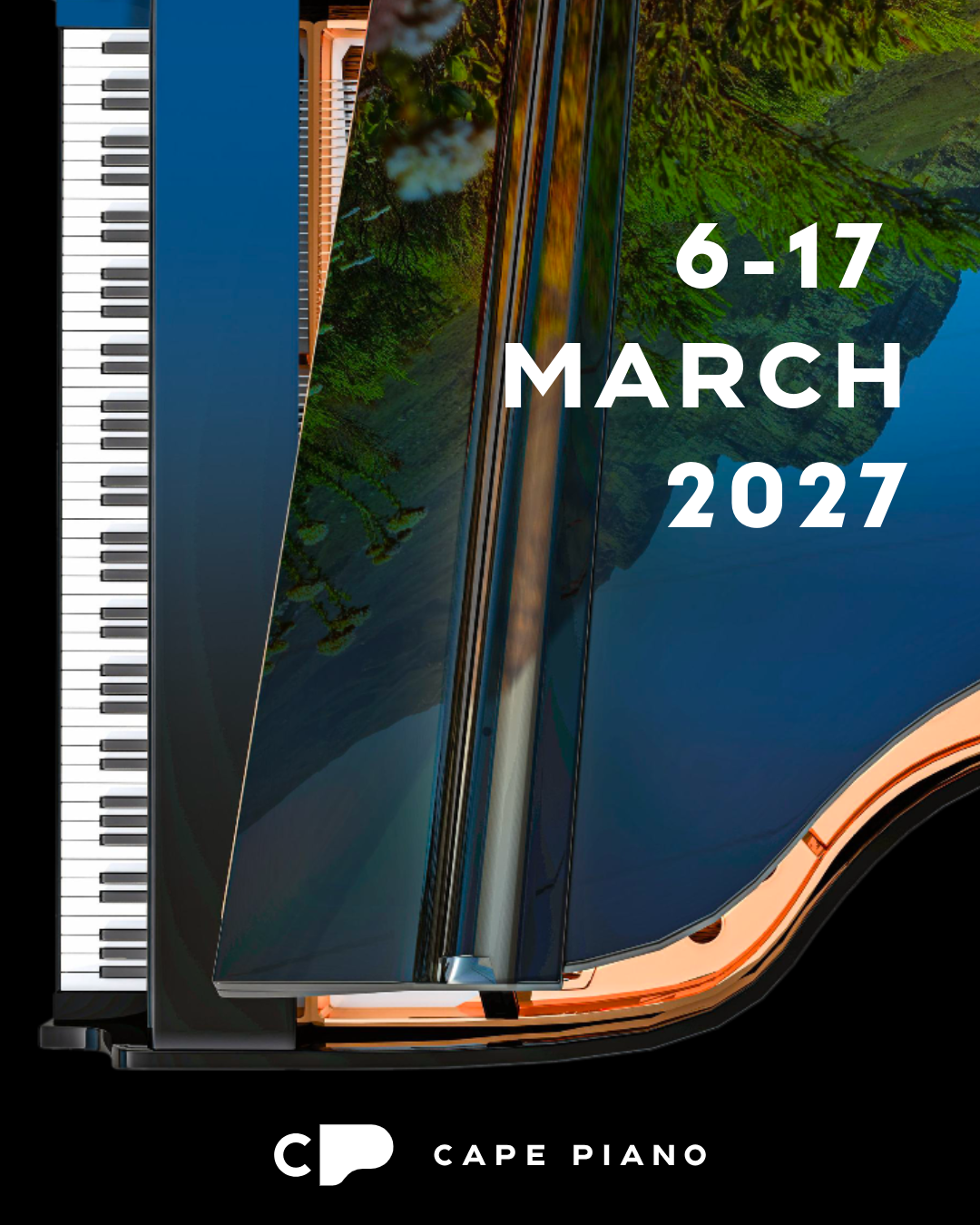
The inaugural Cape Town International Piano Competition, scheduled for 6–17 March 2027, will bring 30 selected pianists to South Africa for four live rounds and a parallel festival of recitals, masterclasses and community performances. Presented by Cape Piano, the initiative aims to connect international career opportunities with a sustained contribution to the country’s musical life.

Recently admitted to the WFIMC as a Resonance Member, Cape Town joins through a framework designed to support new competitions during their first two editions. This initial period provides for collaboration, development and ongoing evaluation, with progression to regular Membership envisaged following two successful editions and confirmation by the General Assembly. For Cape Town and its partners, it offers an opportunity to put shared professional standards into practice while contributing experience from a region still underrepresented within the international competition network.


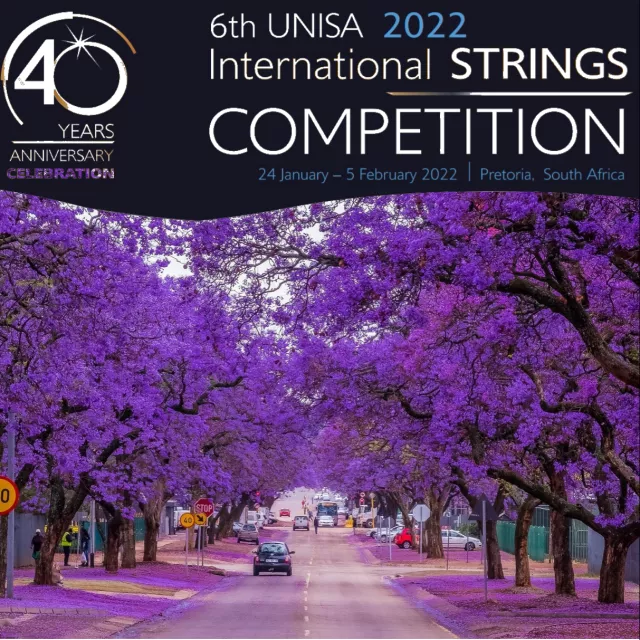
The Unisa International Music Competition in Pretoria, South Africa’s other major international competition, places the new initiative in a wider continental context:

“Unisa welcomes the development of Cape Piano’s new competition in South Africa. The Unisa International Music Competition has for decades been the only African member of the World Federation of International Music Competitions. We look forward to developing partnerships that will broaden the scope of opportunities for musicians in Africa, and for those coming to Africa, by supporting competitions that meet the highest standards of professionalism and integrity. We trust that Cape Town's admission to Resonance status will offer the federation and its members new insights into the potential of competitions on the continent.”

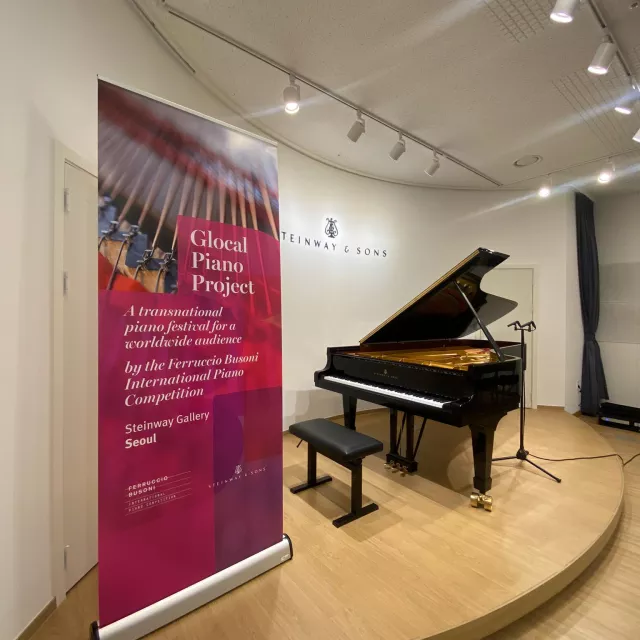
Collaboration with the Ferruccio Busoni International Piano Competition in Bolzano provides an important international connection. In South Africa, cooperation with Stellenbosch University, the University of Cape Town and the Cape Town Philharmonic Orchestra places the venture within an established musical landscape. These relationships will be central to translating the competition’s ambitions into a distinctive and carefully delivered first edition.

A competition designed around a longer encounter


All 30 competitors will perform in both opening rounds, allowing each pianist more than a single opportunity to establish an artistic identity. Twelve will advance to the semifinals, with six proceeding to concerto finals accompanied by the Cape Town Philharmonic Orchestra under Daniel Raiskin. The seven-member international jury includes Charlotte Hu, Anthony Hewitt, Antonio Pompa-Baldi and South African pianist François du Toit.


A significant practical commitment is the provision of free return international air travel from national hubs, accommodation and competition-related local transport for all 30 selected competitors. Participants will stay in hotels or with host families in Cape Town and Stellenbosch. For young musicians travelling to an international competition, this support removes a substantial financial barrier.
Competitors will remain for the full duration of the event, including those who do not advance. The accompanying Cape Piano Festival will offer opportunities for recitals, masterclasses and community engagement, allowing their artistic contribution—and their encounter with the host country—to continue beyond the competitive rounds.

The announced prize fund exceeds US$70,000. First prize combines US$25,000 with a multi-city South African tour and paid appearances at the 2028 Busoni Festival and the Gilmore Rising Stars Series in Michigan. Selected special awards include a recital at Leipzig’s Bachfest for the best Bach performance and recognition for the interpretation of a South African work.

The Busoni cooperation also creates opportunities for further artistic development. The Busoni-Mahler Foundation will award a paid appearance at its 2028 festival for the best performance of a work by Ferruccio Busoni. Cape Town’s top three laureates will additionally be invited to a workshop with jury members of the 2027 Busoni Competition Finals. These are concrete links between a new competition and an established member’s artistic network, extending the relationship beyond the competition fortnight.
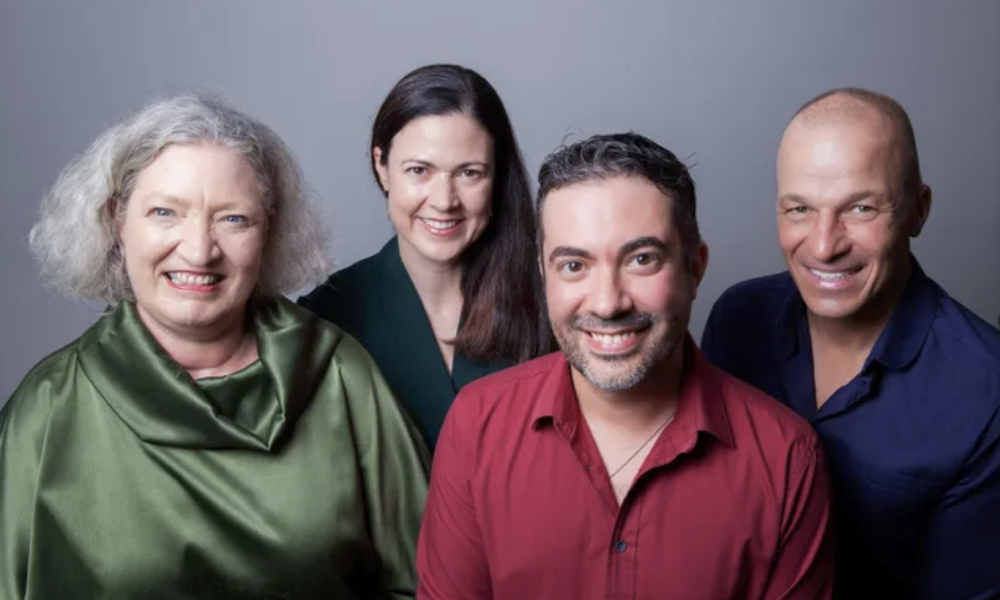
Nina Schumann, Artistic Director, Cape Piano and Adriaan Fuchs CEO and Artistic Director of the Cape Philharmonic Orchestra who are partnering with Cape Piano in this venture. Back: Esthea Kruger, Head of Piano SACM, a member of Cape Piano Advisory Committee and Alex Andersson, Executive Director, Cape Piano.
©Tiffany Schultz

Building connections in South Africa

The emphasis on partnership extends to Cape Piano’s wider programme. For co-founder and executive director Alex Andersson and artistic director Nina Schumann, increasing access to classical music is a central objective. Alongside the competition, planned performances will take pianists into settings ranging from prominent outdoor locations to township communities, while masterclasses will create opportunities for aspiring young musicians to work with visiting artists.

The Piano Graveyard Revival project adds a longer-term dimension: unused pianos will be refurbished and placed free of charge in schools and community venues in previously disadvantaged areas. A Social Impact Award will also recognise a participant’s contribution to the festival’s outreach programme.

Beyond the inaugural edition

For South Africa, the potential value of the competition lies both in the international attention it may attract and in the opportunities it can help sustain at home. Visiting artists, local institutions and young musicians stand to benefit most where an initial encounter develops into an enduring relationship.

Cape Town’s first edition will provide the opportunity to demonstrate how its artistic, organisational and community commitments work together in practice. For fellow WFIMC members, it also opens a new avenue for exchange and collaboration. The coming editions will show how this platform can complement South Africa’s existing musical institutions and contribute to a broader, more connected competition landscape.


©WFIMC 2026/FR