BUCHAREST, ROMANIA

Finding Your Own Voice

Samuel OTP

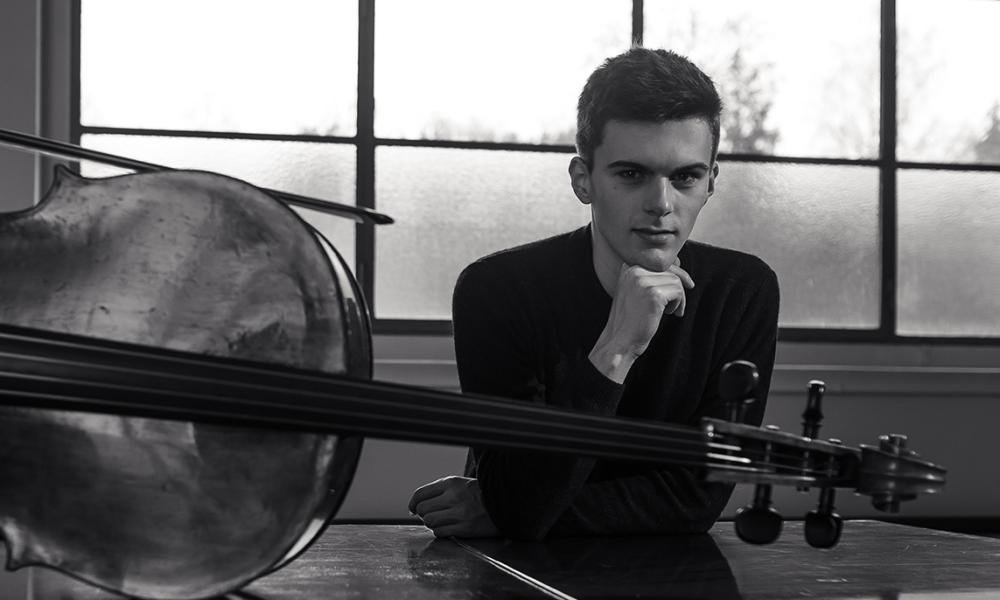
Enescu Competition winner Samuel Niederhauser on musical conviction, the demands of a competition, and building a career on his own terms.

WFIMC: Samuel, many musicians struggle to balance a stable position in a major orchestra with the intense preparation required for international competitions. As the Principal Cello of the Lucerne Symphony, how do you manage that delicate tension, both in terms of physical stamina and your professional relationships with your colleagues?

It is certainly a challenge, but my colleagues have been wonderfully supportive. The fear that a poor result might make things awkward in the orchestra has never materialized; rather, they seem genuinely pleased for me when things go well. My situation is helped by the fact that I have a 50% contract, which offers much-needed flexibility. My colleague, the other principal cellist, is very accommodating with the production schedule. Between the two of us—along with our two assistant principals—we divide the workload, which allows me to choose projects up to a certain extent, provided I fulfill my overall quota. It has evolved into a system where I play less at the start of the season and take on more as the season progresses.
Of course, the primary challenge remains logistics—ensuring I have enough time to prepare without jumping directly from an orchestra rehearsal into a competition. For the Enescu Competition, the timeline was tight. I had a masterclass and a two-week chamber music festival, leaving very little room for practice, and I essentially had to learn the Enescu Sonata during that period. 
I would have preferred more time, certainly. When I competed at the Queen Elisabeth Competition four years ago, I was still a student, and I could clear two months entirely to focus on practice. That luxury simply doesn't exist now, but one learns to adapt.

Speaking of the Enescu, many of the jurors mentioned how exceptionally difficult it was to pair the Enescu Sonata with the Haydn Concerto on the same day. How did you experience that specific challenge?

The Enescu Sonata was, for me, a significant hurdle. For the first week or two, I struggled to find an entry point into the music; it was exhausting to practice. It isn't a technically impossible piece, but it is incredibly complex musically, especially in the dialogue with the piano. As for performing it alongside Haydn, the timing between the two was actually manageable—I had time to rest—but the combination was intense. The real challenge was the schedule of the competition itself: four rounds between Thursday and Monday. The lack of time to practice between rounds was the most taxing element.

You also played the Haydn without a conductor. Was that a first for you?

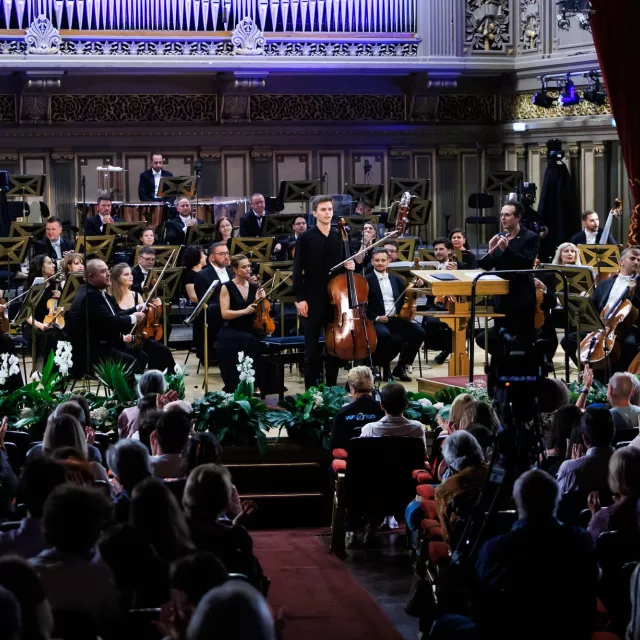
It was only my second time doing so. It’s an interesting dynamic; the orchestra is very experienced, but leading from the cello is a different language. In Bucharest, the rehearsal language was Romanian, which the concertmaster led. I offered small inputs, but you have to be careful not to over-explain when you are sharing a single score with four other musicians. I learned that you must be much more physical and clear in your gestures—more so than when a conductor is present—to communicate musical intent. You have to adapt quickly from the rehearsal to the concert.

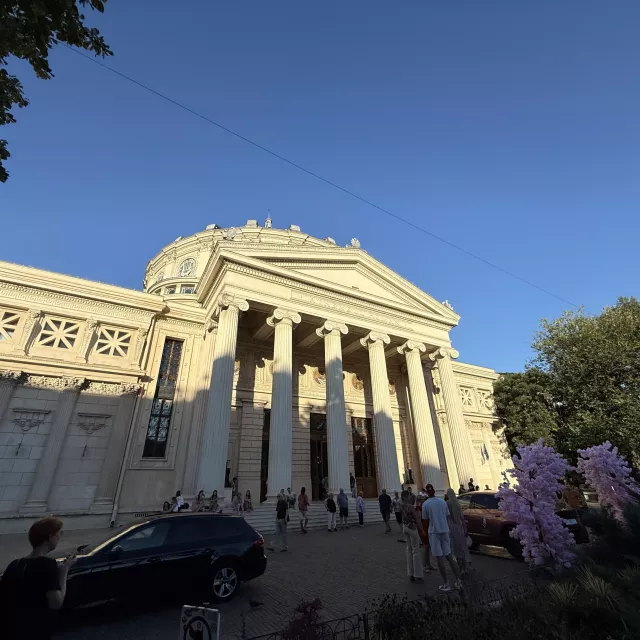
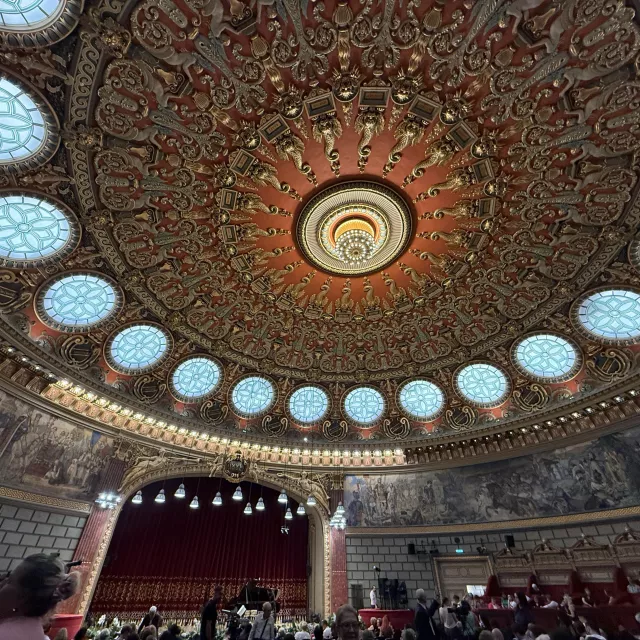
The acoustic of the Athenaeum is beautiful but demanding. Did you find it challenging to balance with the orchestra?

It was quite revealing. I recorded the rehearsal and realized that the acoustics were far more resonant than they felt on stage. I found that my fast passages were becoming unclear and blurred, so for the concert, I adapted significantly. I played closer to the bridge, with more bite in the articulation, just to ensure the sound could cut through the hall's natural reverb. It is all part of the craft—adjusting to the specific acoustic environment rather than playing as one does in a practice room.

The Enescu Competition is known for its focus on the "human" element of the contestant’s experience. How did you find the atmosphere and the support provided?

The warmth and friendliness of the organizers was truly special. Adriana and the entire team were incredibly kind, which does a great deal to ease the nerves of being in such a high-pressure environment. Having a hotel close by where we could practice without strict limitations made a massive difference over those ten days. It was the most intense competition I have ever experienced, but the positive atmosphere helped keep me focused.

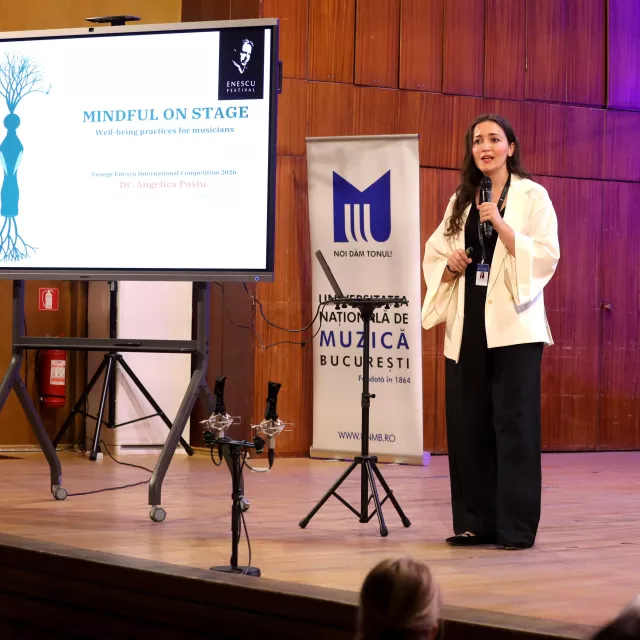
You also participated in the Enescu's wellbeing workshop. Was that helpful in navigating the mental game of the competition?

It was very valuable. We had a session on self-presentation, and I took an individual lesson as well. The main takeaway for me was finding the balance between being in "competition mode" and managing my energy levels. I often find it difficult to re-enter that focused state once I’ve relaxed, so learning how to manage that switch was important. I also realized that my own preparation routine is quite specific; if I arrive too close to a performance time, I feel rushed, and that discomfort translates to the stage.
You are also currently working with Andreas Vierziger on career development. How has that mentorship shaped your next steps?

It has been incredibly helpful. We’ve been focusing on the practicalities—getting my website live, refining my CV, and developing strategies to convert this competition win into future engagements. We are compiling lists of conductors and organizers I have worked with to reach out to, and he provides guidance on how to structure those relationships. As a musician, you don't always have a natural instinct for the PR and business side of the career, so having someone with his experience to guide me has been a game-changer.

Looking at your digital presence, how do you balance the need for visibility—like on social media—with the pressure to maintain authenticity?

It is something I know I need to improve, but I find it challenging. I try to be honest, but it is easy to fall into the trap of that "glossy world" where everything feels performative and, at times, inauthentic. It is a difficult balance. If I start posting too much, I end up spending an hour on my phone, and I try to minimize that as much as possible. I want to build a reach, but I want to do it on my own terms.

What are your plans following this win? Any new repertoire or upcoming projects of note?

I have several exciting things on the horizon. I am recording the complete works for piano trio by the Swiss composer Josef Lauber this October. Following that, in November, I head to Taiwan for a tour with the pianist I partnered with in Bucharest, which will include five concerts and five masterclasses. Beyond that, I look forward to returning to Romania for future Enescu Festival appearances. It has been a whirlwind, but I am very much looking forward to what comes next.


Samuel Niederhauser is a rising talent in the international cello scene and the Principal Cello of the Lucerne Symphony Orchestra. A graduate of prestigious institutions, he has established himself as a versatile performer, equally at home in orchestral, chamber, and solo settings. In 2026, he reached a significant career milestone by winning the First Prize at the Enescu Competition in Bucharest, an achievement that highlights his technical mastery and deep musical insight. Known for his thoughtful approach to both repertoire and professional development, Niederhauser continues to balance his demanding orchestral career with an burgeoning reputation as a soloist and chamber musician.

©WFIMC 2026/FR